In 2024, a Jebel Ali-based auto logistics company transporting used Japanese and European cars from Dubai's port to Riyadh, Dammam, and Kuwait City was running 9 single-deck car carriers making 3 round-trips per week each — 8 cars per trailer, 1,980 km per round-trip, consuming approximately 410 litres of diesel per trip. A competitor on the same corridor had already switched to double-deck carriers, loading 11 cars per trip with negligible additional fuel consumption. The company replaced its 9 single-deck trailers with 6 Hualu Double-Deck Car Carrier Trailers — and the math inverted: 6 trailers now delivered the same weekly volume (198 cars) that 9 single-deck units had, operating 36 fewer trips per week and cutting the fleet size by one-third. Within 14 months, the fleet saved an estimated 8,600 litres of diesel per month, cost per car delivered dropped from $127 to $74, and the 6-trailer capital expenditure paid back in 7.2 months through fuel and driver savings alone. This case study documents how adding a second deck — a structural change that adds roughly 15% to trailer cost — reduced total delivery cost per car by 42% in the Middle East's busiest auto re-export corridor.
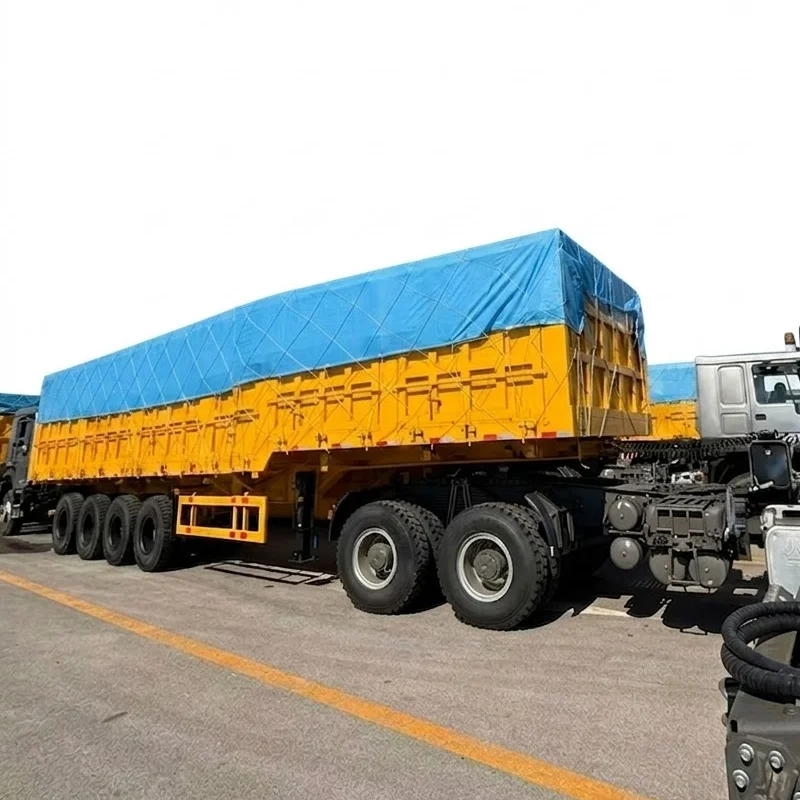
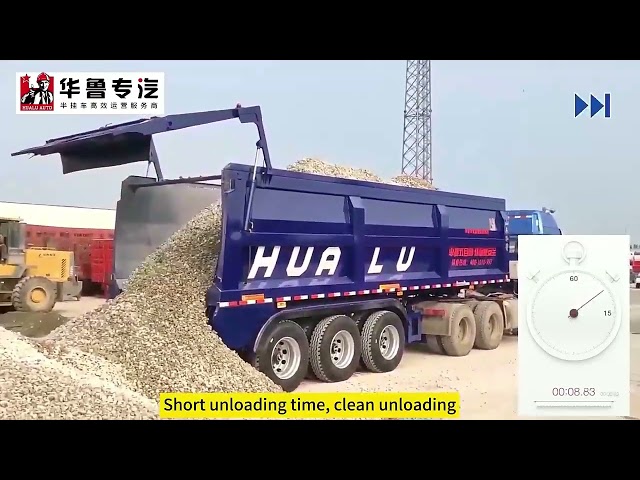
Engineered specifically for Africa’s extreme mining and bulk transport conditions, this 100-ton 4-axle side dump semi-trailer combines massive payload capacity, superior ground pressure distribution, and a practical tarpaulin cover to solve the continent’s most critical logistics challenges.
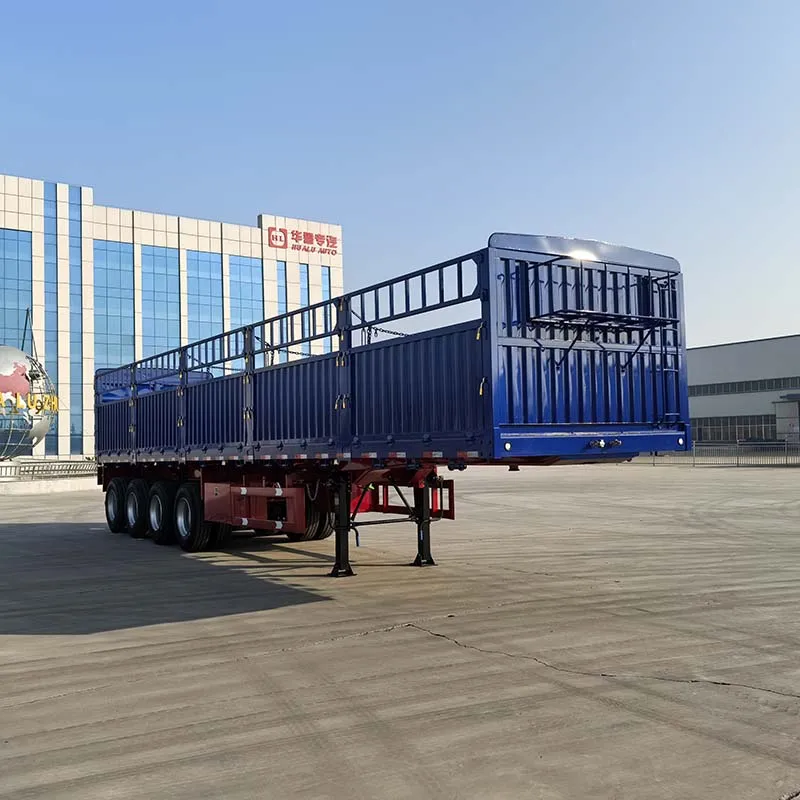
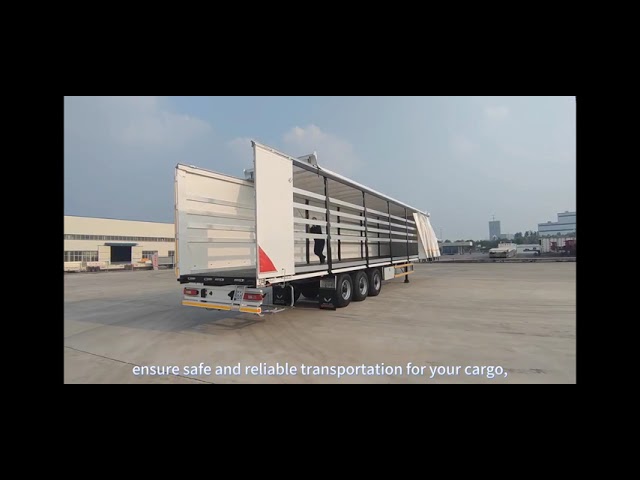
A comprehensive operational and maintenance manual for 3-axle fence semi-trailers, designed to help fleet operators and drivers in Africa, South America, and Southeast Asia ensure cargo safety, structural integrity, and long-term profitability through disciplined daily routines and preventive care.
In 2024, a Casablanca-based chemical logistics company transporting phosphoric acid from Morocco's OCP phosphate processing plants to port terminals was replacing its carbon-steel tank trailers every 18 months — the high-temperature, high-acidity cargo corroding the tank shells from the inside at a rate of 2.5 mm of steel thickness per year. The company replaced its 4 carbon-steel tankers with Hualu Chemical Tank Trailers with 316L stainless steel inner shells — a molybdenum-alloyed grade specifically resistant to phosphoric-acid attack. After 14 months, wall-thickness measurements showed less than 0.1 mm of material loss across all four trailers, annualised maintenance costs fell 73%, and the fleet's average service life projection extended from 18 months to an estimated 12+ years. This case study documents how a single metallurgical decision — 316L over carbon steel — eliminated a replacement cycle that had been accepted as normal in North Africa's largest chemical export industry.
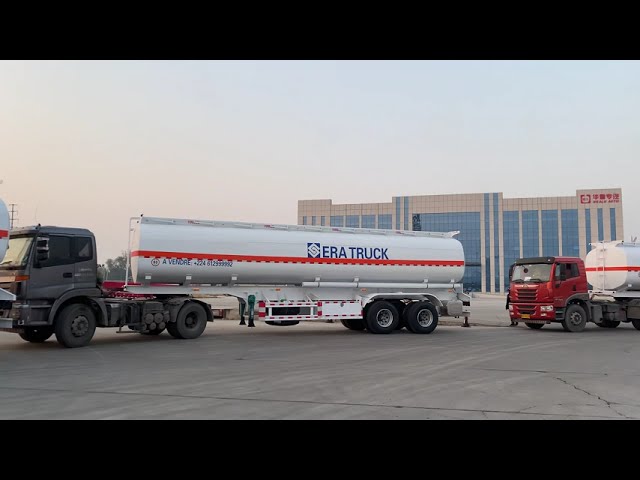
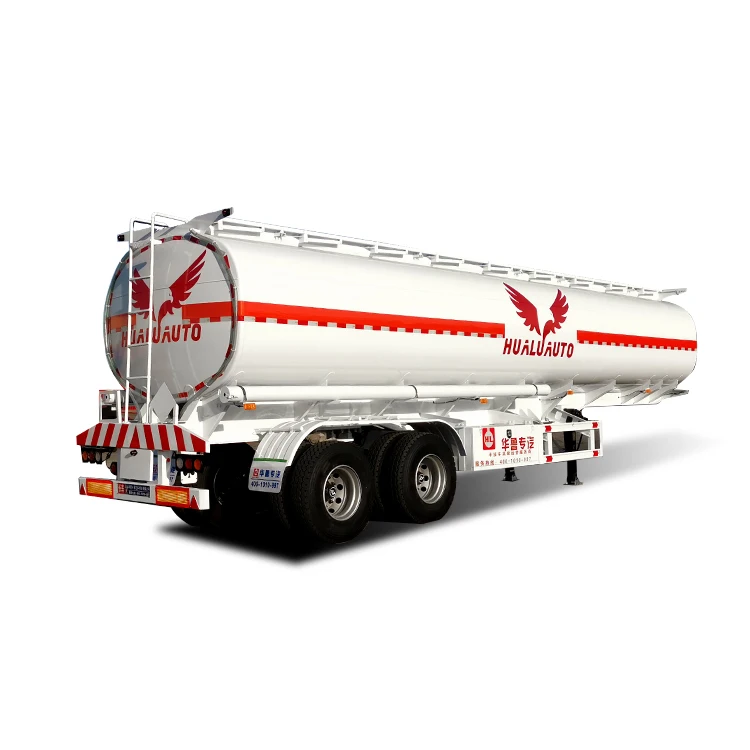
A comprehensive, practical guide for fleet operators and drivers on the correct usage, daily inspection routines, and preventive maintenance of oil tank semi-trailers. Learn how to manage liquid surge, ensure valve integrity, and maximize vehicle lifespan through disciplined operational habits.
In 2024, an Incheon-based third-party logistics company serving South Korea's electronics export sector was losing approximately 1.5 trailer-loading cycles per day per unit to rear-door-only box trailers at its warehouse — each loading cycle taking 42 minutes because a single forklift had to navigate the full 13.6-metre length through a single rear opening. The company replaced 9 box trailers with 7 Hualu Curtain Roll Trailers with full-length roll-up side curtains and sliding roof, enabling two forklifts to load simultaneously from both sides. Within 10 months, dock-to-departure dropped from 42 to 19 minutes (-55%), daily cycles per trailer rose from 2.8 to 4.4 (+57%), and the company's warehouse throughput — measured in pallets per shift — increased 43% without adding a single dock door, forklift, or warehouse worker. This case study documents how side-access trailer geometry created capacity where none physically existed in one of the world's most space-constrained logistics environments.
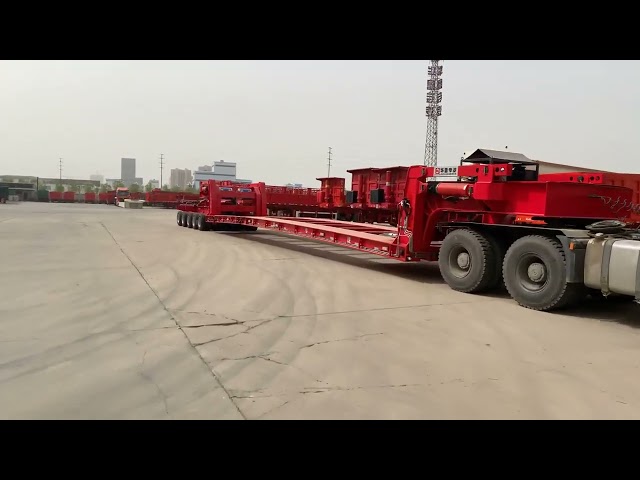
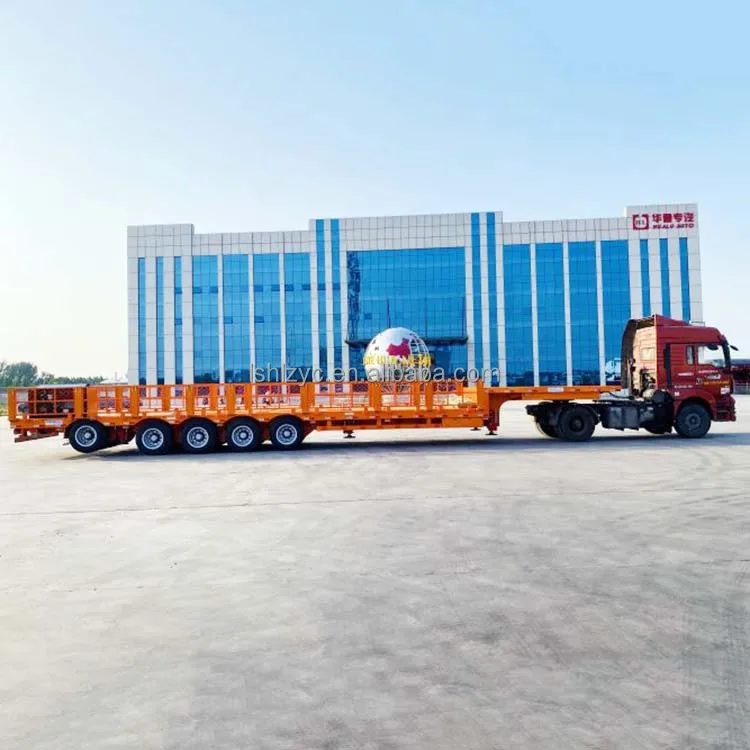
A heavy-haulage operator in South Africa was bleeding money. Rising diesel costs, wage inflation, and brutal empty backhauls were squeezing every kilometre. Their fleet of conventional lowbed trailers hauled excavators and wheel loaders to mines—then returned empty, wasting fuel, tyres, and driver hours.
Then came the Hualu 5-axle lowbed. The liftable air suspension raises axles when running light, drastically cutting tyre wear and rolling resistance. The cargo-securing side rails lock heavy machinery firmly in place—no load shifts, no damage claims, no delays on South Africa's unforgiving haul roads.
The result? Empty backhauls eliminated. Fuel consumption per trip dropped. Maintenance costs plunged. Overall operating costs fell by 40% per vehicle—translating directly to a 10% net profit increase for the operator. One trailer now does the work of two. One driver, two revenue-generating directions.
In South Africa's mining and construction sector, where every rand counts, the Hualu 5-axle lowbed isn't just equipment—it's a profit machine.
In 2024, a Kano-based bulk transport company moving NPK fertiliser, cement, and grain between Lagos ports and northern Nigeria's agricultural and construction markets was losing an estimated 1.8% of every load to spillage during hydraulic tipping at delivery sites. The company replaced its 15 end-tippers with 11 Hualu Belt Conveyor Trailers — unloading horizontally via floor-mounted conveyor belts with zero body tilt. Within 11 months, spillage fell from 1.8% to 0.06%, daily deliveries per trailer rose from 1.9 to 3.1, and annual cargo-loss costs dropped from ~$127,000 to under $4,000. This case study documents how the simplest change in unloading physics — horizontal discharge instead of gravity tilt — transformed the economics of Nigeria's most demanding bulk transport corridor.
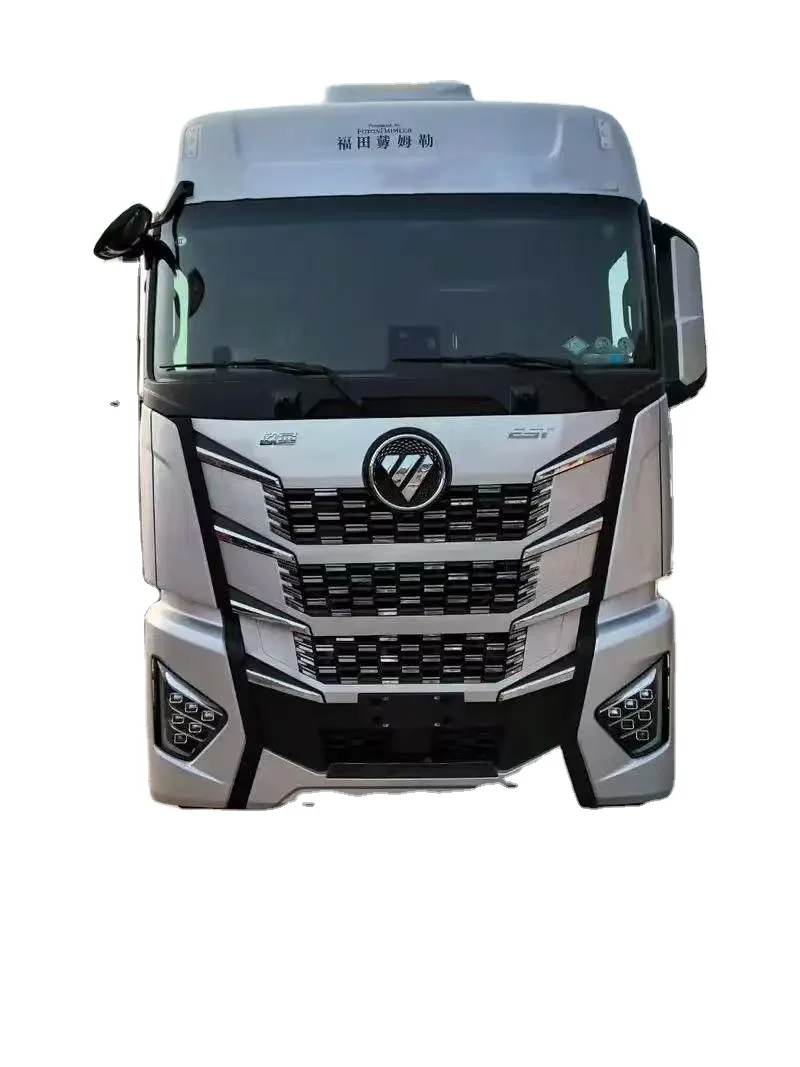
The FOTON 6×4 used tractor truck combines a powerful Cummins engine, heavy-duty chassis, and ultra-low operating costs—delivering the performance South American fleet operators need at a price that makes financial sense.