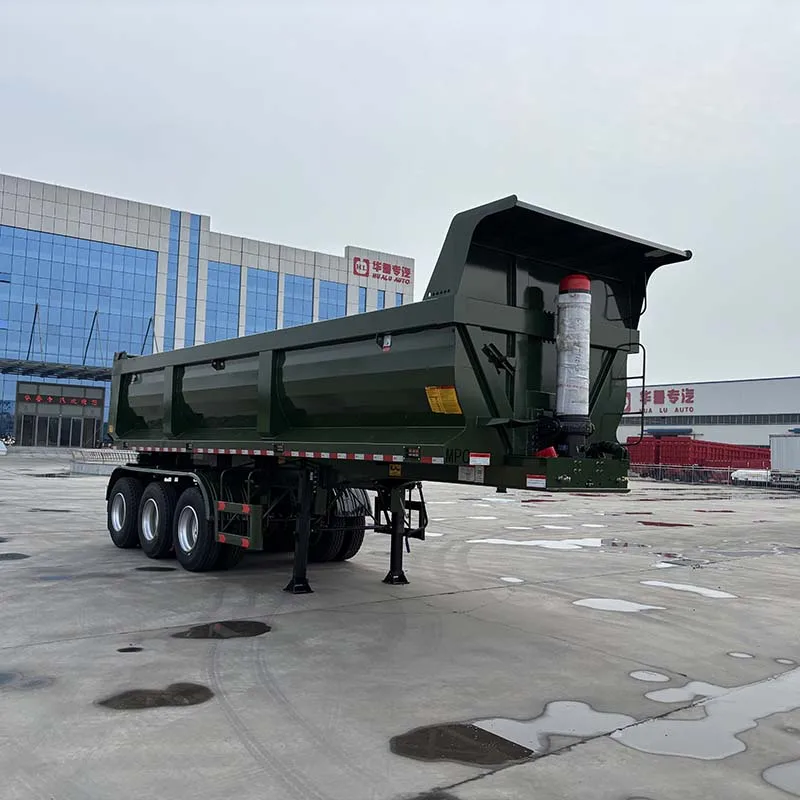
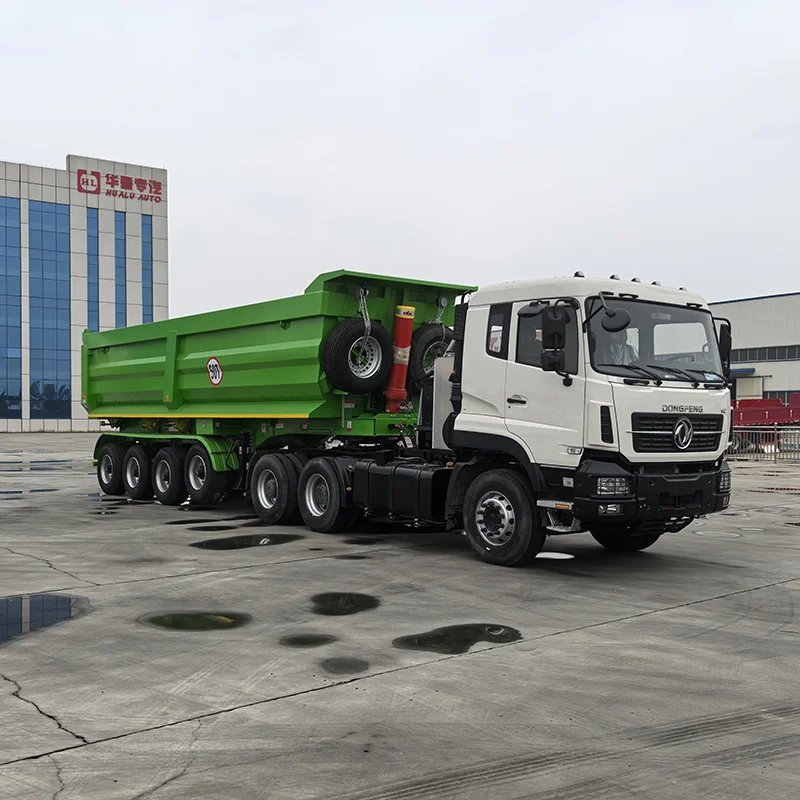
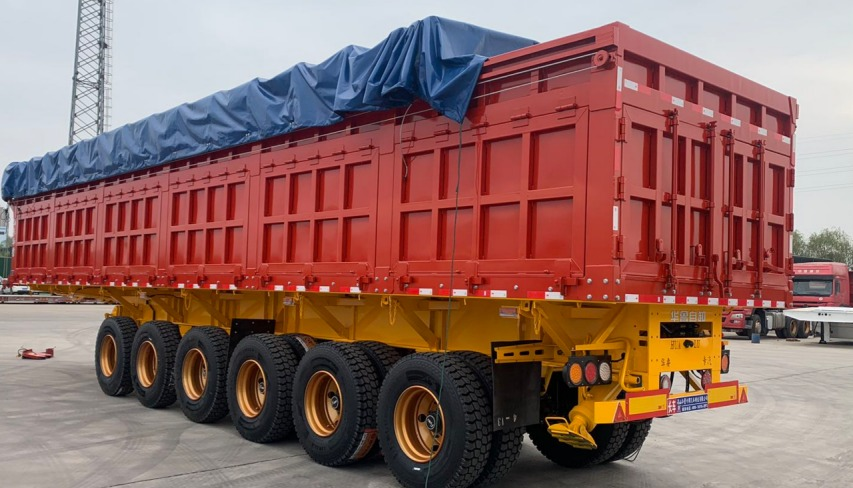
A Chilean mining contractor hauls copper ore from an open pit in the Atacama to the processing plant. Its older end tippers took eight minutes per dump cycle, wore their bodies out in four months, and leaked hydraulics. Hualu end tippers — Hardox 450 bodies, high-flow hoists, lighter tare — cut the dump cycle 40%, extended body life to eleven months, and lifted loads per shift from six to nine.
In the demanding African mining and construction sectors, equipment downtime is not an option. Discover how our customizable 3-axle rear dump semi-trailers solve critical challenges like chassis fatigue, uneven unloading, and maintenance difficulties, ensuring maximum uptime and profitability for fleet operators.
African mining and construction sites demand more than just heavy equipment; they demand absolute reliability. Discover how our customizable 4-axle rear dump semi-trailers solve critical challenges like uneven unloading, chassis twisting, and extreme payload demands on rough terrains.
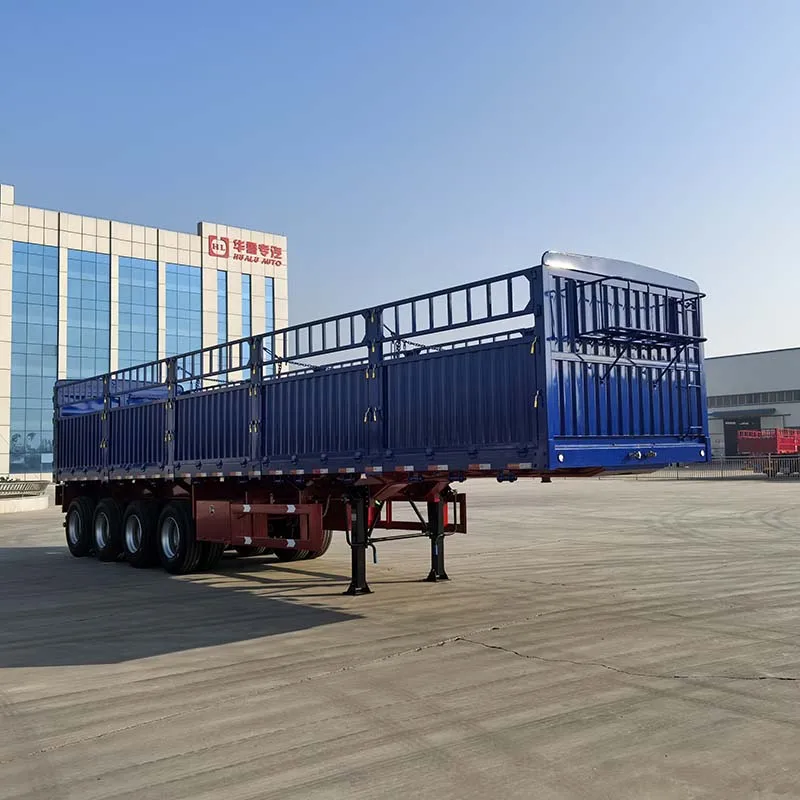
In Peru, where bulk hauling means navigating coastal deserts, Andean passes, and Amazon‑bound roads, one logistics operator faced chronic losses from load shifting and spillage. Switching to the Hualu Fence Semi Trailer for Bulk transformed their operations. The high fence sides, reinforced with vertical posts, securely contained everything from phosphate rock to bagged grains. On the treacherous Ticlio pass at 4,800 metres, trailers kept their loads intact, while the sturdy chassis handled maximum tonnage without strain. Loading and unloading became faster thanks to wide‑open gates. Within the first month, average daily payloads rose 15%, and claims for damaged or lost cargo vanished. Drivers praised the stability, and dispatchers noted shorter turnaround times. The Hualu fence trailer proved that carrying more and losing nothing is not a slogan but a daily reality across Peru's most demanding routes.
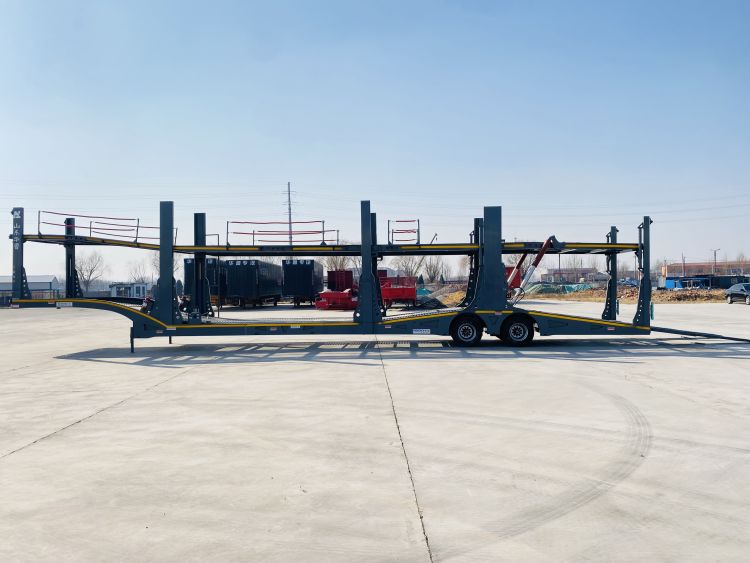
A Saudi auto distributor at Jeddah Islamic Port moves imported vehicles to dealerships across the Kingdom. Its fixed-deck carriers scratched and dented cars during loading, took 15 minutes a vehicle, and capped each trip at six cars. Hualu car carriers — tilting decks, hydraulic ramps, low loading angle — cut vehicle damage 83%, halved loading time, and lifted capacity from six to nine cars a trip.
In March 2026, a major Ghanaian logistics operator faced a familiar rainy‑season crisis: bagged cement dissolving under sudden downpours, cocoa beans swelling, and mining ore washing off flatbeds before reaching port. Their old fleet bled profits with every storm. The solution? A single order of 100 Hualu Side Dump Semi‑Trailers equipped with heavy‑duty sliding tarps. Now, drivers secure each load in seconds – tarps glide smoothly over mixed cargoes, from aggregates to agricultural goods – while the side‑dump system unloads in 20 seconds on uneven laterite ground. No rain damage. No cargo mixing. No delays. In the first month alone, the fleet reported zero weather‑related claims and a 15% boost in daily delivery capacity. The Hualu sliding tarp doesn't just cover cargo – it covers profits, rain or shine.
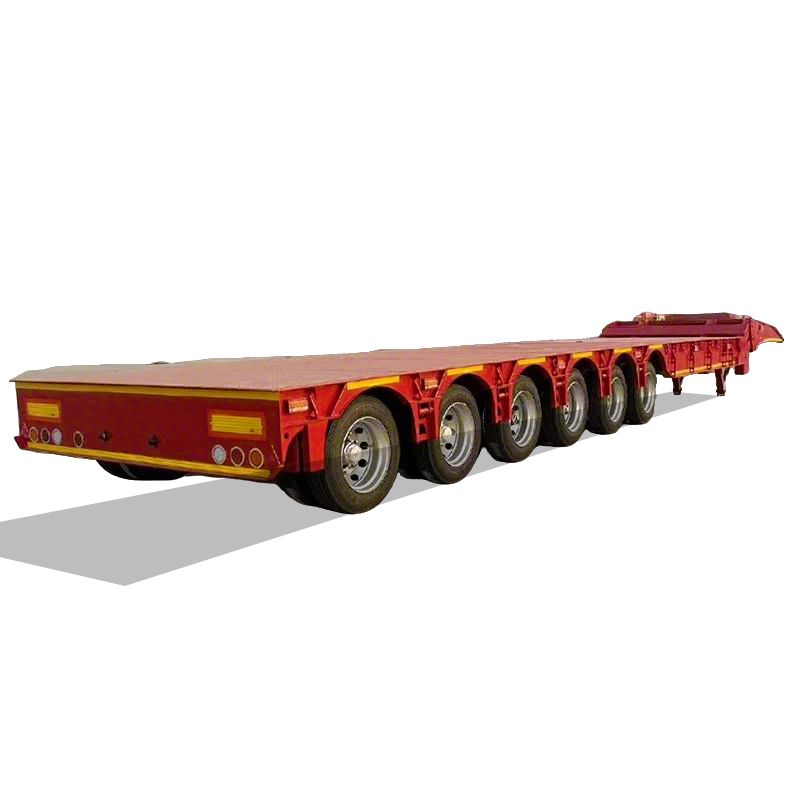
A German heavy-haul operator moves wind-turbine towers, nacelles and 70-metre blades from Bremerhaven port to inland wind farms. Its older high-deck lowboys sat too high, dented tower flanges, and took 90 minutes to set up per oversized load. Hualu extendable lowboys — a 0.88-metre deck, hydraulic detachable gooseneck, extendable beams — cut clearance detours, ended flange damage, and lifted deliveries from three to five a week.
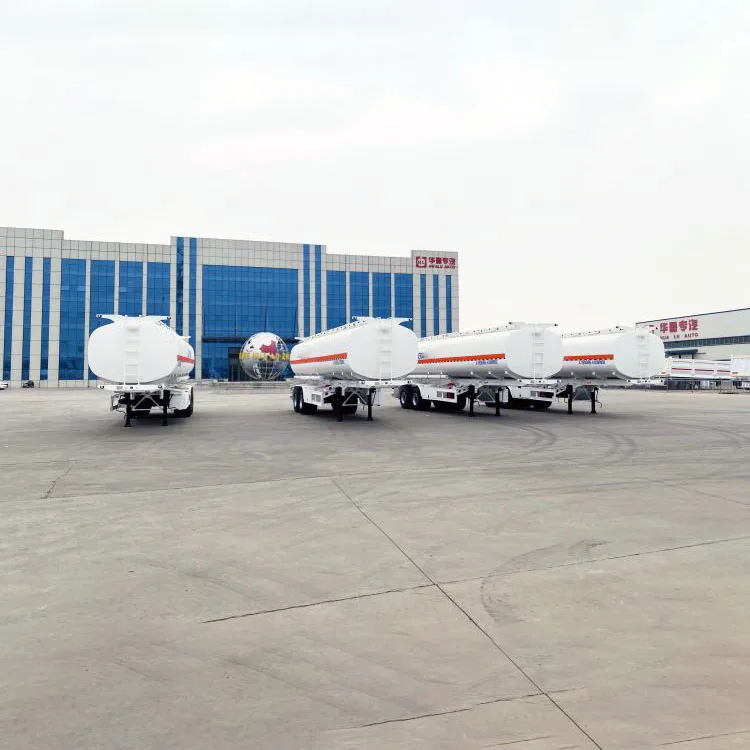
On South Africa’s treacherous N3 highway linking Johannesburg to Durban—a route notorious for steep descents and frequent rollovers—a major fuel logistics operator faced persistent safety incidents with standard tankers. After procuring 80 units of the Hualu Oil Semi-Trailer, the transformation was immediate. Each trailer features reinforced anti-roll bars and advanced EBS braking, delivering a verified 12% reduction in high-risk events over six months. Moreover, the operator customized axle spacing to handle heavy loads on mountain gradients and tailored overall length to fit tight depot yards. The result: zero spillage incidents during the trial, 22% lower tire wear, and driver fatigue cut by nearly a third thanks to improved stability. The 80 trailers now run daily, moving over 2,500 kilolitres of fuel per week. While competitors struggle with one-size-fits-all designs, this fleet cruises reliably—and its distinctive silver livery turns heads from the Highveld to the coast.
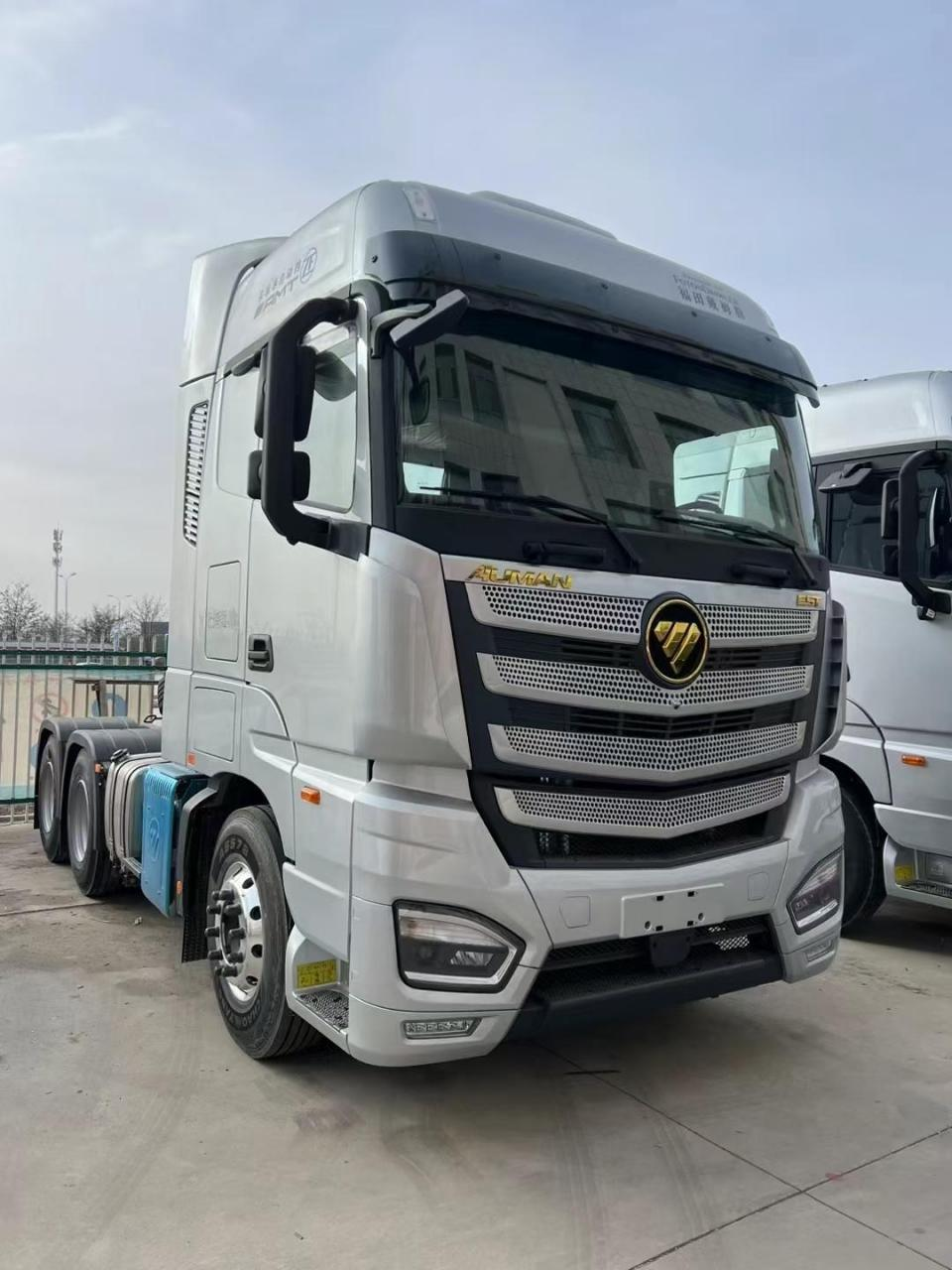
Flexible horsepower, selectable production years, and cost-effective performance — a practical used Foton Auman EST tractor solution for South American transport companies.