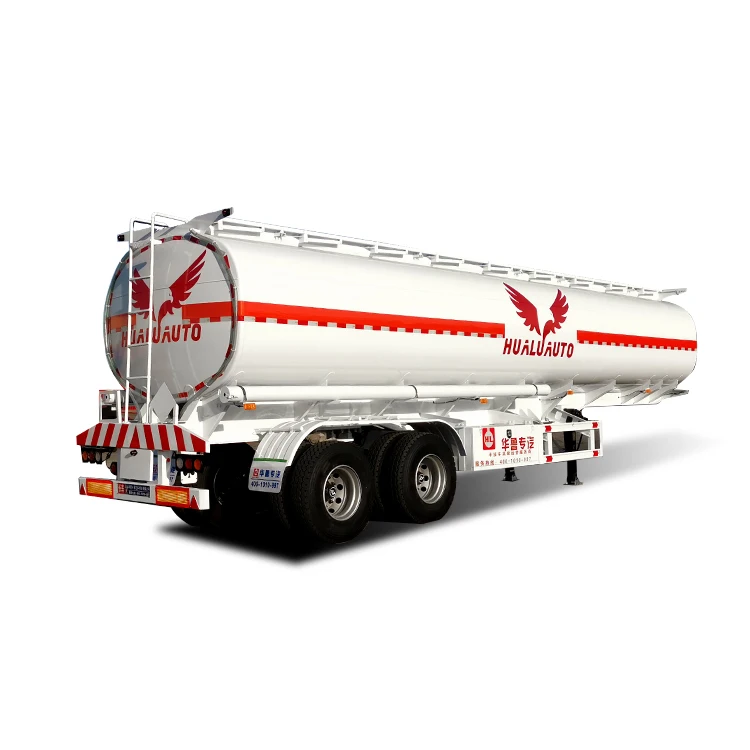
Operating an oil tank semi-trailer demands a level of vigilance and technical discipline that far exceeds standard dry freight transport. The dynamic nature of liquid cargo introduces unique physical challenges—primarily liquid surge and shifting center of gravity—that can compromise vehicle stability if not properly managed. Furthermore, the safety of the operator, the public, and the environment hinges on the meticulous upkeep of the tank, piping, and safety systems. This guide distills industry best practices into actionable steps to ensure safe, efficient, and compliant operations.
Safe Operation: Managing the Liquid Load
The most critical aspect of driving a tanker is understanding and mitigating liquid surge. When a partially filled tank accelerates, brakes, or turns, the liquid inside moves violently, creating powerful forces that can push the vehicle off course or cause a rollover. To counteract this, operators must adopt a smooth, anticipatory driving style. Acceleration should be gradual, and braking must begin much earlier than with dry cargo to allow the liquid to settle. When navigating curves, reduce speed well in advance and maintain a steady, gentle steering input; abrupt corrections can amplify the surge and lead to loss of control.
Loading procedures are equally vital. Never fill a tank to its absolute maximum capacity. Liquids expand as they warm, and failing to leave adequate "outage" space can cause dangerous over-pressurization or structural stress on the tank. Always verify that the cargo matches the tank’s designated specifications and that all valves are in the correct position before departure. During transit, avoid stopping on inclines whenever possible, as the gravitational pull on the liquid can overwhelm the braking system. If parking on a slope is unavoidable, use wheel chocks and ensure the parking brake is fully engaged.
Daily Inspection and Preventive Maintenance
A rigorous daily inspection is the first line of defense against mechanical failure and safety incidents. Before every trip, conduct a thorough walk-around check. Inspect the tank exterior for any signs of corrosion, dents, or leaks, paying special attention to weld seams and the connection points between the tank and the chassis. Verify that all manhole covers are securely fastened and that their gaskets are intact and free of cracks or deformation. Check the emergency shut-off valves for proper operation and ensure they are not stuck or leaking.
The piping and hose systems require particular attention. Examine all hoses for signs of wear, cracking, or softening, and replace them immediately if any damage is detected. After each unloading operation, promptly install protective caps on all inlet and outlet connections to prevent contamination and moisture ingress. The breathing valve, which regulates internal tank pressure, must be kept clean and unobstructed; a blocked valve can lead to tank deformation or rupture during loading or unloading. Additionally, test the pump system for abnormal noises or pressure fluctuations, and clean the inlet filters regularly to maintain optimal flow rates.
Long-Term Maintenance and System Integrity
Beyond daily checks, a structured preventive maintenance schedule is essential for long-term reliability. Lubricate all moving parts, including valve handles, pump mechanisms, and suspension components, according to the manufacturer’s specifications. Inspect the braking system regularly, checking brake linings, air pressure, and the responsiveness of the spring brake chambers. Drain moisture from air tanks frequently to prevent corrosion and ensure consistent braking performance. The electrical system, including lighting and grounding straps, must be inspected for secure connections and proper functionality to prevent static discharge hazards.
Keep detailed records of all inspections, maintenance activities, and repairs. This documentation not only aids in tracking the vehicle’s condition over time but also serves as a valuable tool for identifying recurring issues and optimizing maintenance intervals. By treating the tanker as a precision instrument rather than a simple container, operators can significantly extend its service life, reduce unexpected downtime, and uphold the highest standards of safety and professionalism.
A Commitment to Safety and Excellence
The safe and efficient operation of an oil tank semi-trailer is not merely a regulatory requirement—it is a professional commitment to protecting people, property, and the environment. By mastering the nuances of liquid cargo dynamics, adhering to disciplined inspection routines, and investing in proactive maintenance, operators transform their vehicles into reliable, high-performing assets. In an industry where margins are tight and risks are high, this dedication to operational excellence is what separates ordinary fleets from industry leaders. Drive with care, maintain with precision, and let every journey reflect your unwavering commitment to safety.