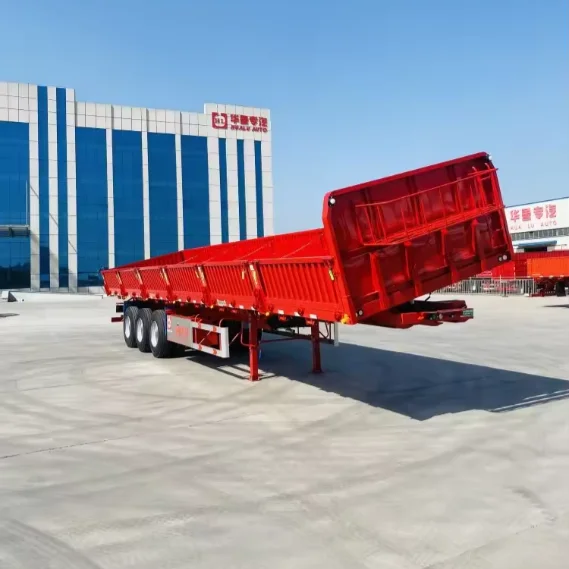
Built for general cargo, agricultural goods, construction materials and container transport, this 3-axle drop side semi-trailer features adjustable side height from 80cm to 1.5m, supports 40-tonne+ payloads and can be fully tailored to match your local road rules and haulage tasks.
In the sun‑scorched highways of São Paulo state, a major Brazilian logistics company hauling heavy excavators and steel coils was bleeding money. Their fixed‑axle low‑bed trailers drank diesel like thirsty giants—even when running empty on return legs. Every extra axle dragged on the pavement, burning fuel and chewing tyres for no benefit.
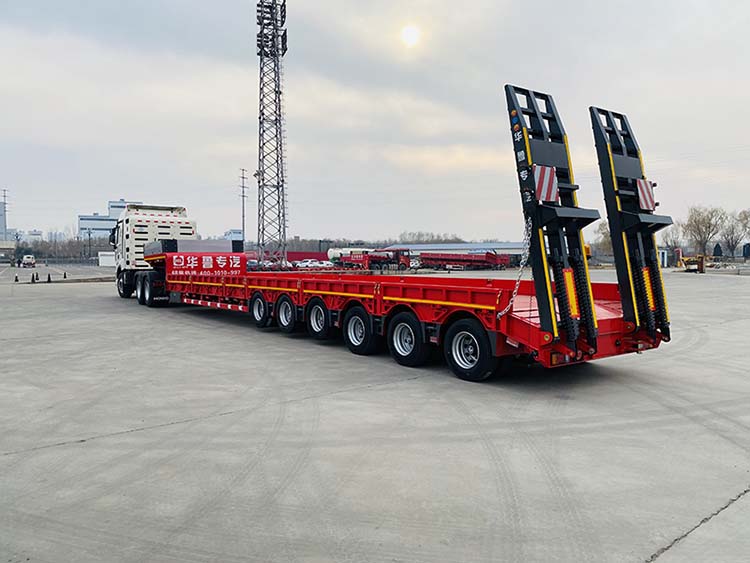
Then they called Hualu. The factory custom‑built a 6‑axle low‑bed drop‑deck trailer with air suspension on the first three axles—liftable at the push of a button. When carrying 50‑ton loads, all six axles drop to distribute weight safely. But on light loads or deadhead runs, the driver raises those front axles, lifting them clear of the road. Rolling resistance plummets, tyre scrub vanishes.
Over six months, the fleet logged a stunning 17% drop in fuel consumption. Tyre wear and chassis strain also eased, cutting total operating costs by over 15%. The Brazilian team now runs ten more of these Hualu customs, praising the smart lift‑axle design as a game‑changer—turning a heavy‑haul monster into a lean, fuel‑sipping workhorse that saves real money on every kilometre.
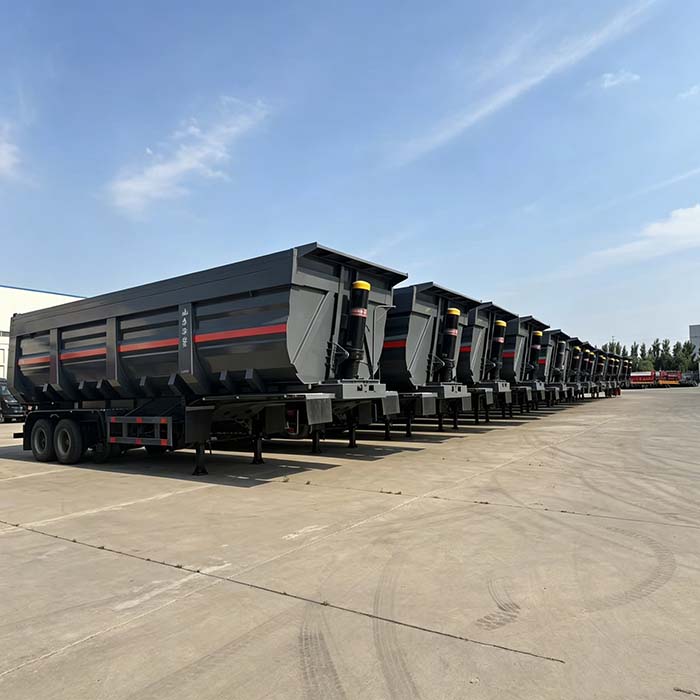
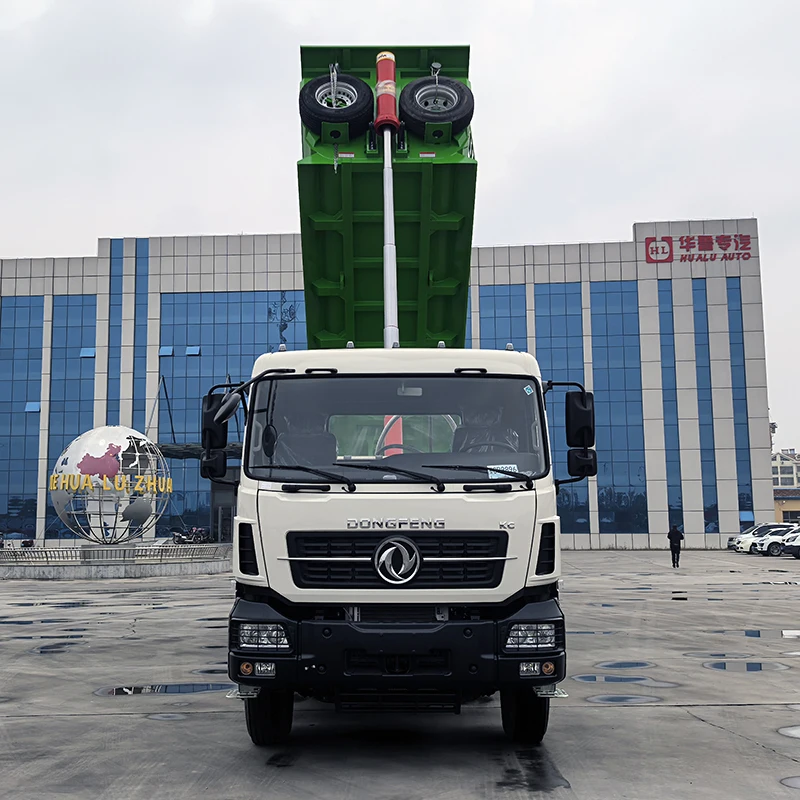
Purpose-built for Guinea’s bauxite, iron ore and large-scale infrastructure sites, this 3-axle heavy rear tipper delivers consistent 100–120 ton payloads, cuts cycle times and keeps downtime to a minimum on the roughest unpaved haul routes.
In early 2025, a Chennai-based heavy-lift logistics firm serving India's booming wind energy sector put three lowboy trailers from three manufacturers through an identical 600-kilometre test on the Chennai–Coimbatore industrial corridor — transporting 62-tonne wind turbine nacelles across mixed highway, mountain pass, and unpaved site-access roads. Two trailers suffered structural cracking before reaching the destination. The Hualu 4-axle hydraulic lowboy completed the route — and 47 subsequent deliveries — without a single weld failure. This case study documents the test protocol, the engineering differences, and the decision that reshaped India's renewable energy logistics fleet.
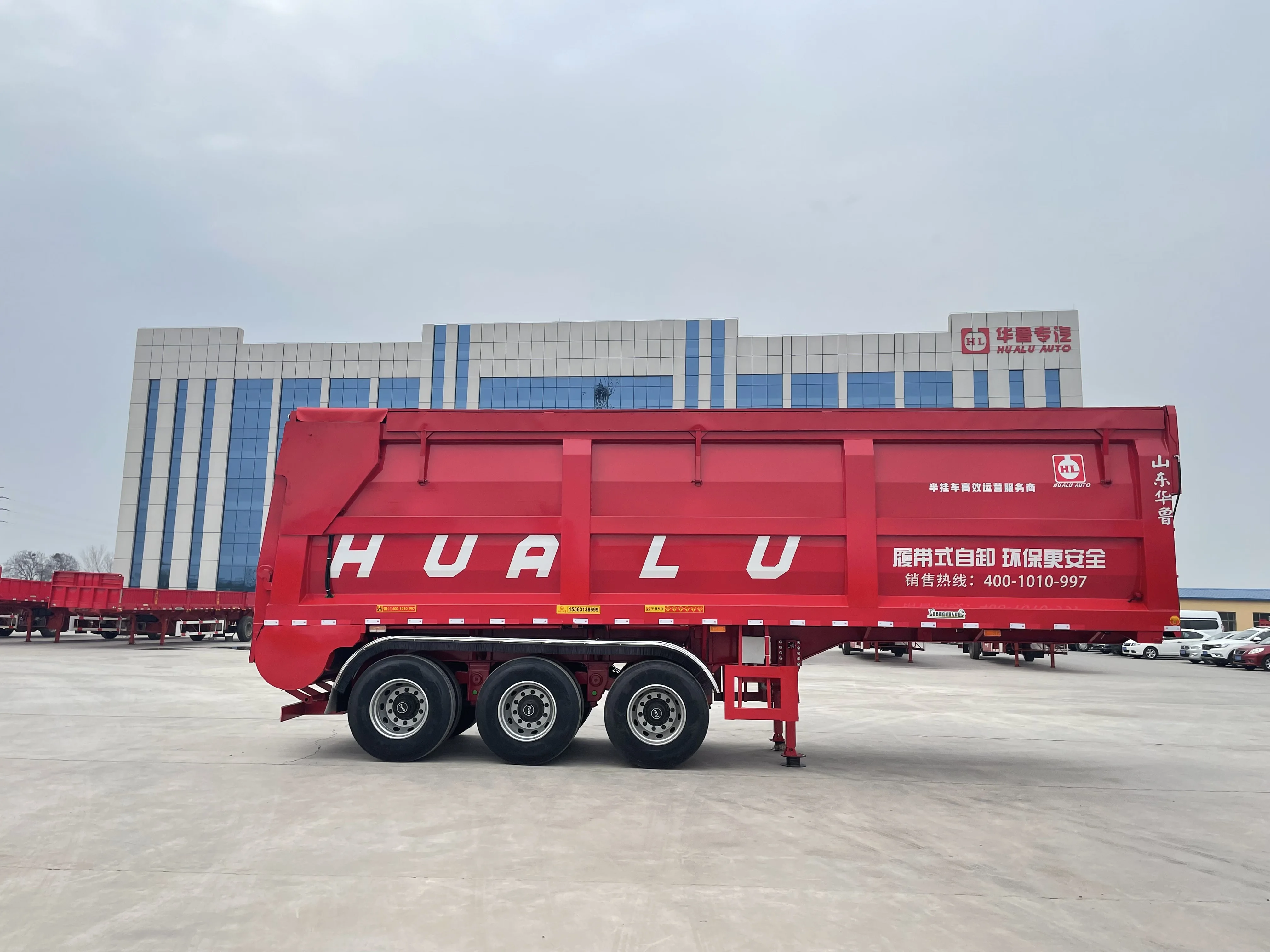
Ditch the downtime. Discover how our belt unloading semi-trailer eliminates slow, messy, and risky tipping to slash your unloading costs and unlock new job sites.
For six years, Bình Dương Agricultural Logistics ran two separate fleets: curtain-side trailers hauling bagged fertiliser to Vietnam's Central Highlands, and flatbeds bringing harvested coffee beans back. One direction was always empty. In 2024, the company replaced 18 single-purpose trailers with 11 Hualu Double Box Trailers — a dual-compartment design that carries bagged inputs forward and bulk coffee in the rear compartment. Within 12 months, deadhead kilometres collapsed from 49% to 5%, per-tonne transport cost dropped 34%, and fleet size shrank 39% while total throughput increased. This case study traces the day that ended a six-year logistics paradox.
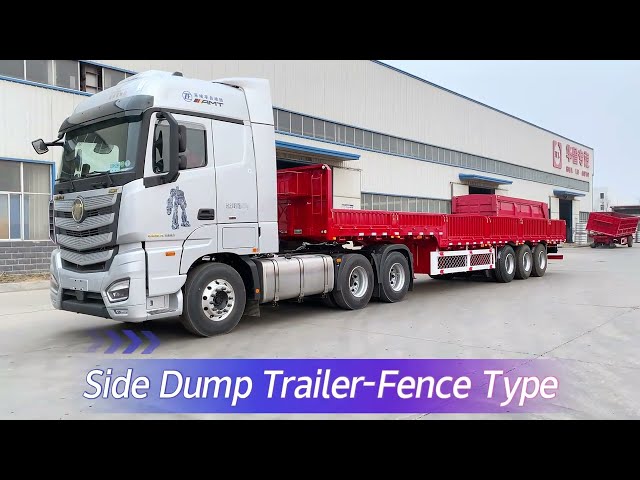
For years, Kuantan-based *Majestic Logistics* struggled with an ageing fleet of rear-dump trailers. Unloading sand and quarry materials on uneven construction sites was a daily gamble—drivers regularly tipped loads too high, spilling material and wasting 20–30 minutes per stop with manual clean-up. Frequent breakdowns and costly hydraulic repairs ate into already thin margins, while rising diesel prices pushed operating costs to the breaking point. The final straw came when a trailer overturned on a muddy project site, injuring a driver and halting operations for two days. In early 2026, Majestic replaced its entire fleet with Fence Side Dump Trailers. The side-discharge design eliminated tipping hazards and cut unloading time by nearly half. Drivers now discharge directly alongside stockpiles without backing up or repositioning. Within three months, fuel consumption dropped 8%, maintenance costs fell by a quarter, and the company added two extra trips per day with the same workforce. For Majestic Logistics, the new fleet didn't just move materials—it saved the business.
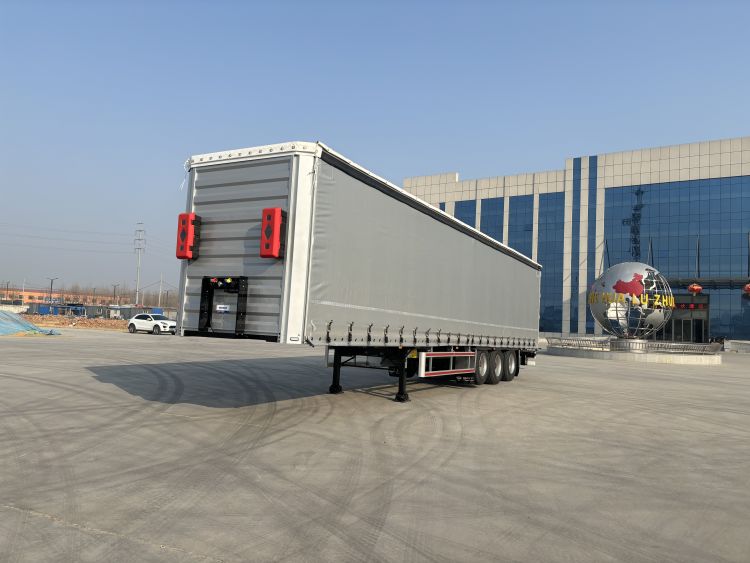
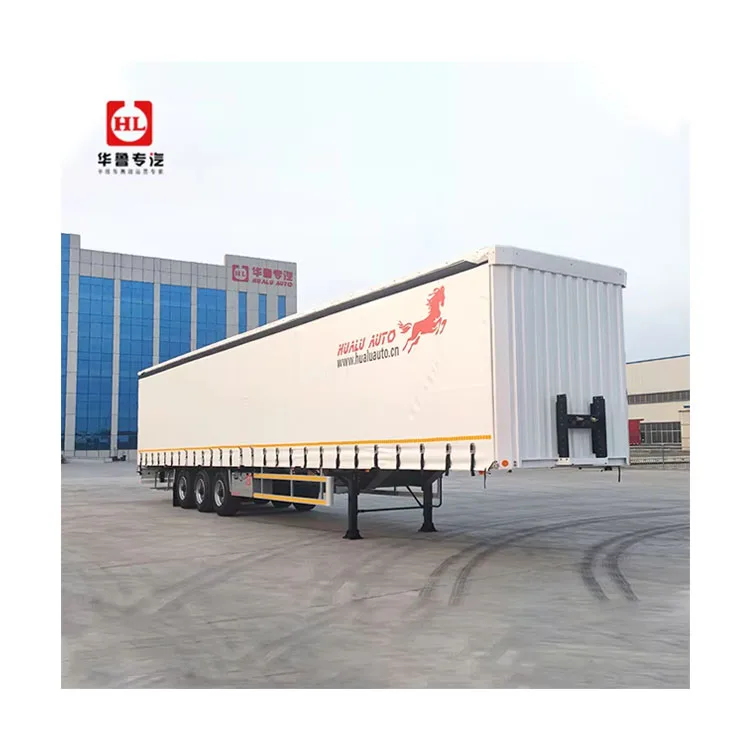
Built for Saudi Arabia’s harsh high‑heat and dusty desert conditions, our 3‑axle 110 m³ curtain‑side semi‑trailer supports flexible 40‑80‑ton payload. It improves loading‑unloading speed, cuts operating costs and adapts to cross‑country highway transportation for Saudi local fleets. Read about its selling points, technical parameters, proper operation and professional maintenance tips below.
An earthmoving contractor in Abu Dhabi was losing hours daily on a 20‑km highway widening project. Each of their 10 flatbed trailers took 28 minutes to offload crushed rock using a front-end loader—queues formed, and drivers idled. They switched to four‑axle rear‑tipping semi‑trailers with a 50‑ton capacity and a 55° lift angle.
Unload time dropped to 18 minutes — a full 10 minutes saved per trip. The hydraulic ram tips the body rearward, releasing the entire load in one smooth pour, no shoveling needed. With 45 trips daily, the fleet reclaims 7.5 hours of productive time—enough for three extra loads per day. Fuel waste from idling vanished. The project, part of the Dubai South logistics zone, is now two weeks ahead of schedule. The rear‑tippers paid for themselves in seven months, proving that cutting 10 minutes per unload transforms tight margins into real profits.