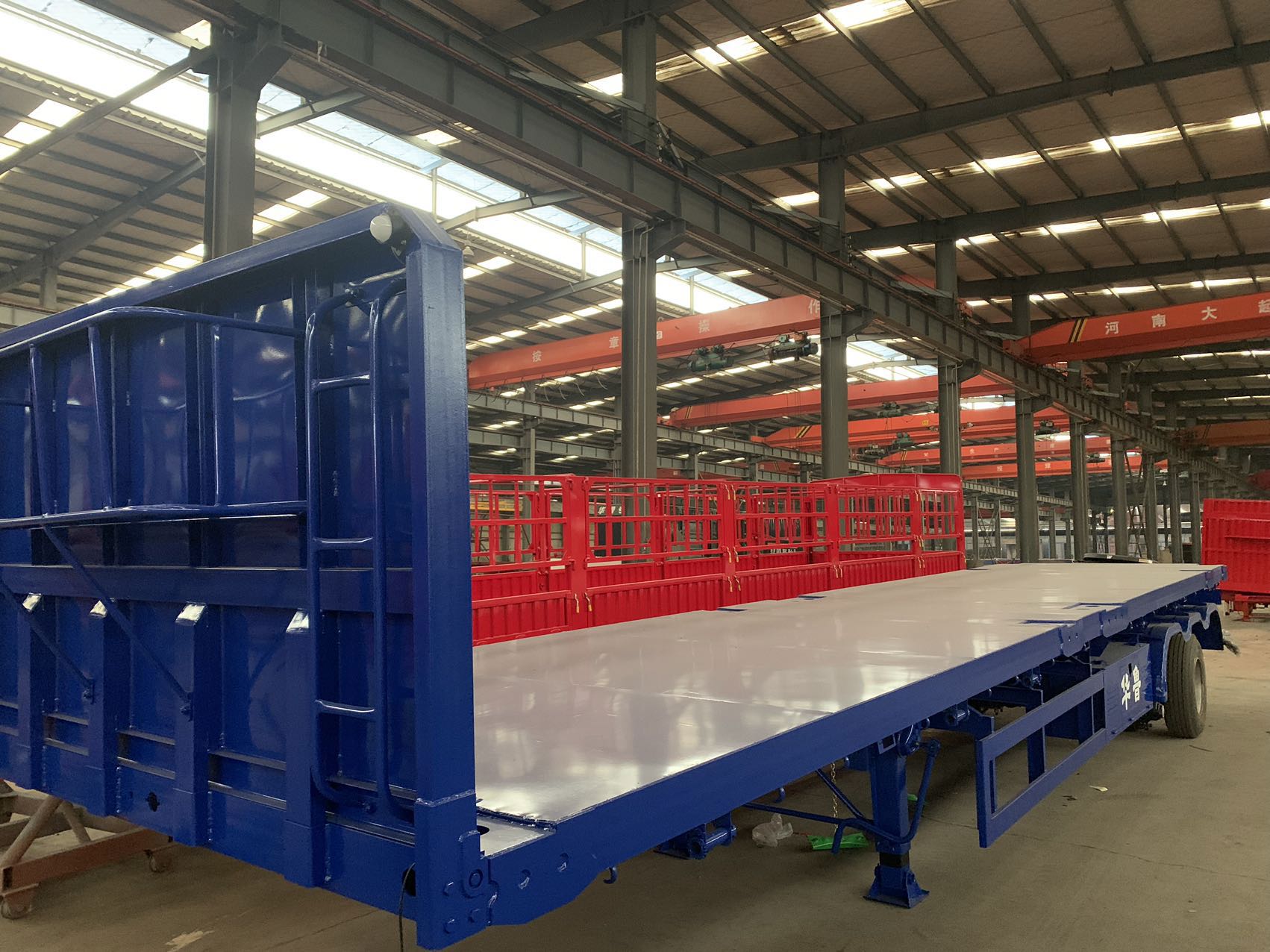
A Turkish steel distributor hauls 15–28-tonne hot-rolled coils from Marmara mills to automotive stampers and fabricators. Its eight aging flatbeds logged 22 cargo-damage claims a year as coils shifted under hand lashing and cracked the deck at the coil contact point. Eight Hualu coil flatbeds — sunken coil wells, integrated saddles, reinforced cross-members — cut lash time 74%, ended coil shift and deck cracks entirely, and lifted coils per truck from four to seven a day.
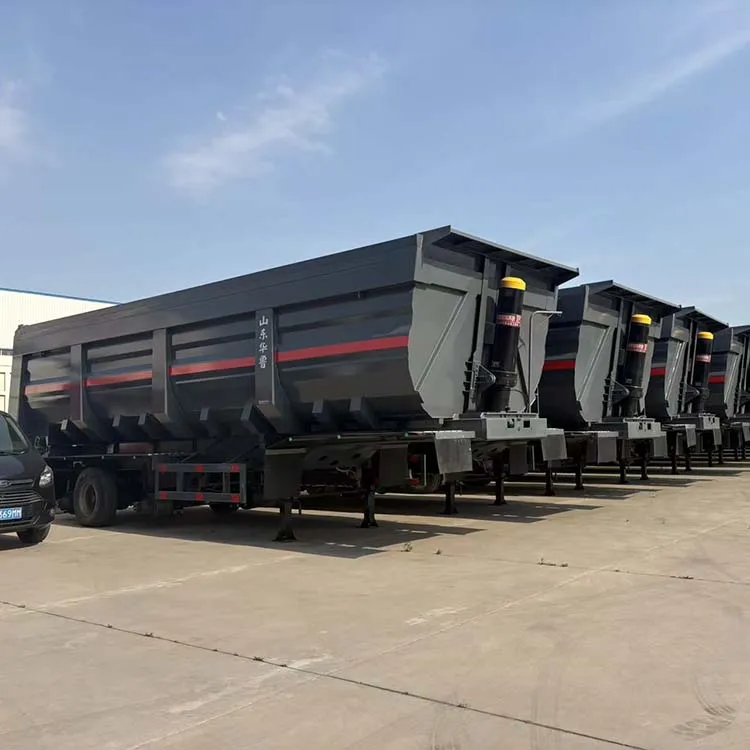
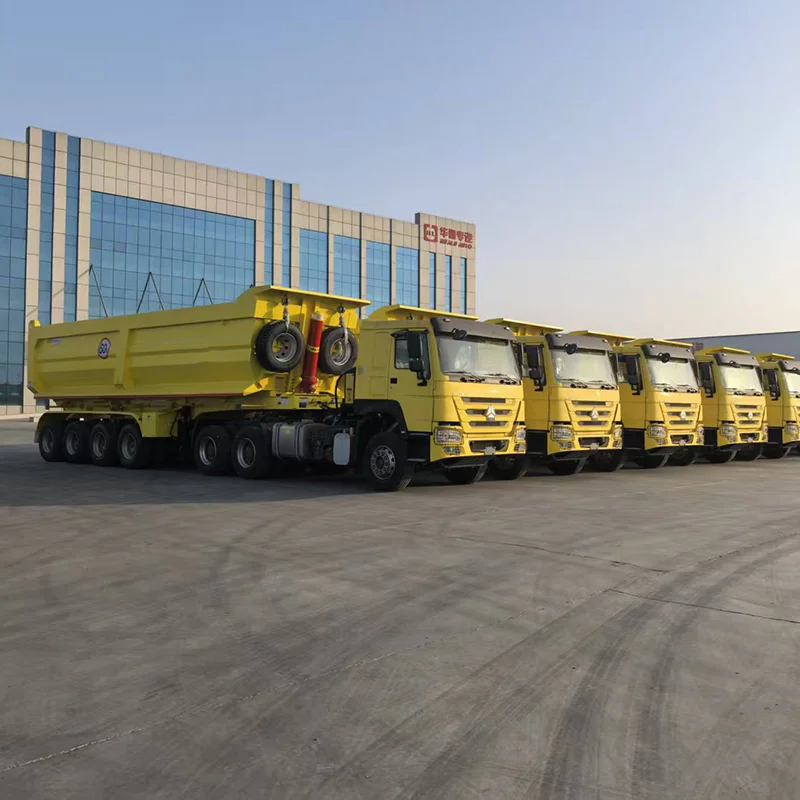
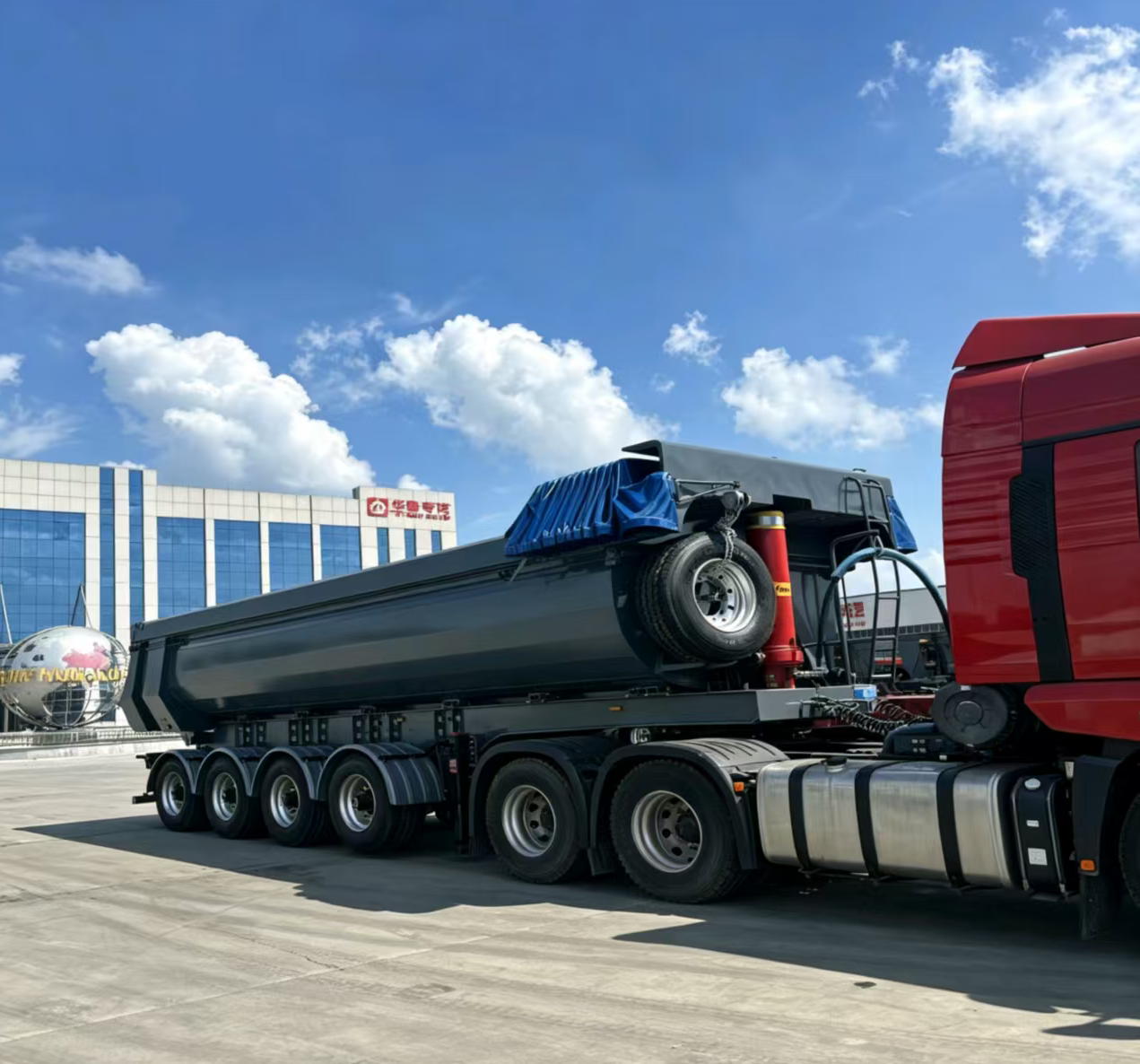
When heavy loads, rough roads and demanding working conditions become part of everyday transportation, a standard trailer is no longer enough. Hualu developed a customized 3-axle rear dump semi trailer with a maximum payload of up to 120 tons to help African customers transport more, unload faster and work more efficiently.
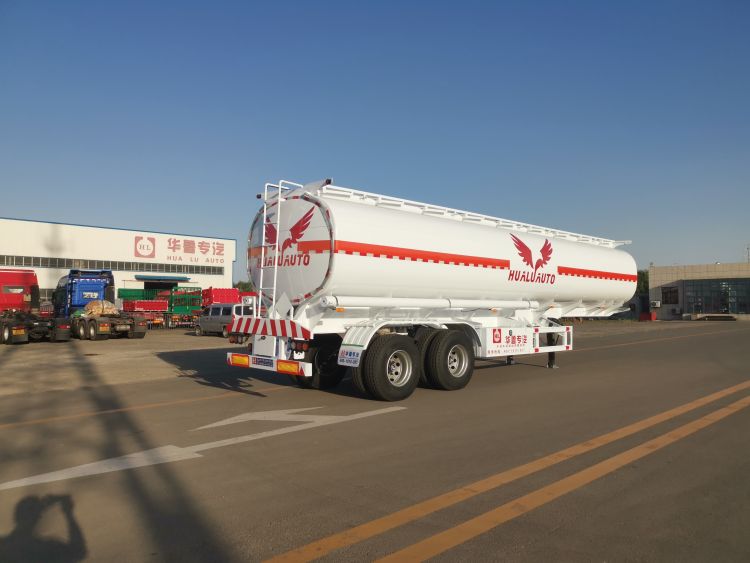
A UAE chemical distributor hauls acids, caustic soda, solvents, and base oils to factories across the Emirates. Eight single-compartment tankers forced a 45-minute clean between every product and left trucks running 32% empty miles. Six new Hualu multi-compartment tankers — 316L stainless, four independent compartments, ADR-compliant — cut changeover time 64%, ended contamination rejections, and lifted deliveries from three to five a day.
A large mining contractor operating in Kenya’s central highlands faced daily challenges on steep escarpments and rain‑slicked laterite tracks. Their old trailers often fishtailed under full loads, spilling ore and risking rollovers, which cut productivity and drove up repair bills.
After deploying the first batch of Hualu units, drivers immediately felt the difference. Cornering became planted, and descents were far more controlled. On‑board sensors recorded a consistent 10% reduction in lateral sway – from 0.8 m/s to 0.72 m/s on average. Over six months, tyre wear dropped 15%, and accident‑related downtime nearly vanished.
Impressed by the safety gains and cost savings, the operator placed a single order for 80 trailers – now the backbone of their 300‑tonne daily haulage. The maintenance chief joked, “Our drivers no longer white‑knuckle the wheel.” This is real performance, proven on Kenyan soil – not just advertising.
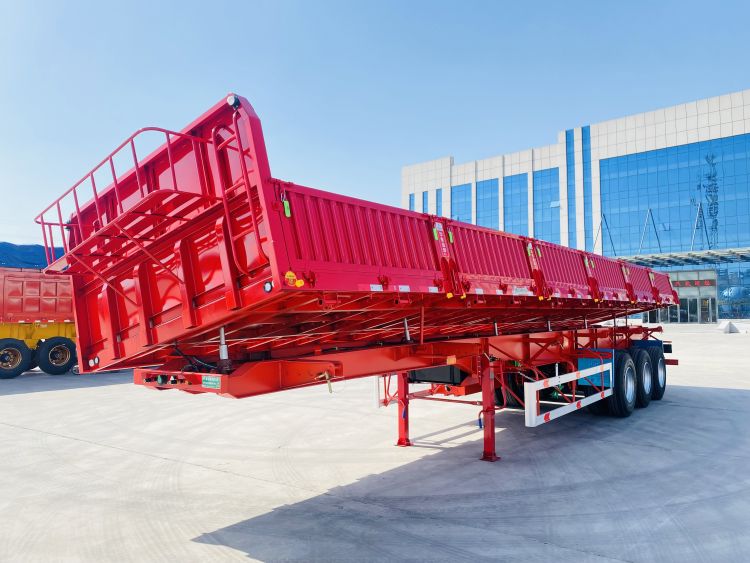
A Vietnamese civil contractor hauls 4,800 tonnes a day of dredged sea sand and crushed granite across a coastal expressway and port reclamation in Quang Ninh. Six end-tipper trailers tipped over three times on soft reclaimed ground and lost nine repairs a season to a leaking high-pressure hoist. New Hualu side tippers — low 45° tip, twin rams, Hardox 450 — cut dump cycle time 41%, ended rollovers entirely, and lifted legal payload from 32 to 38 tonnes.
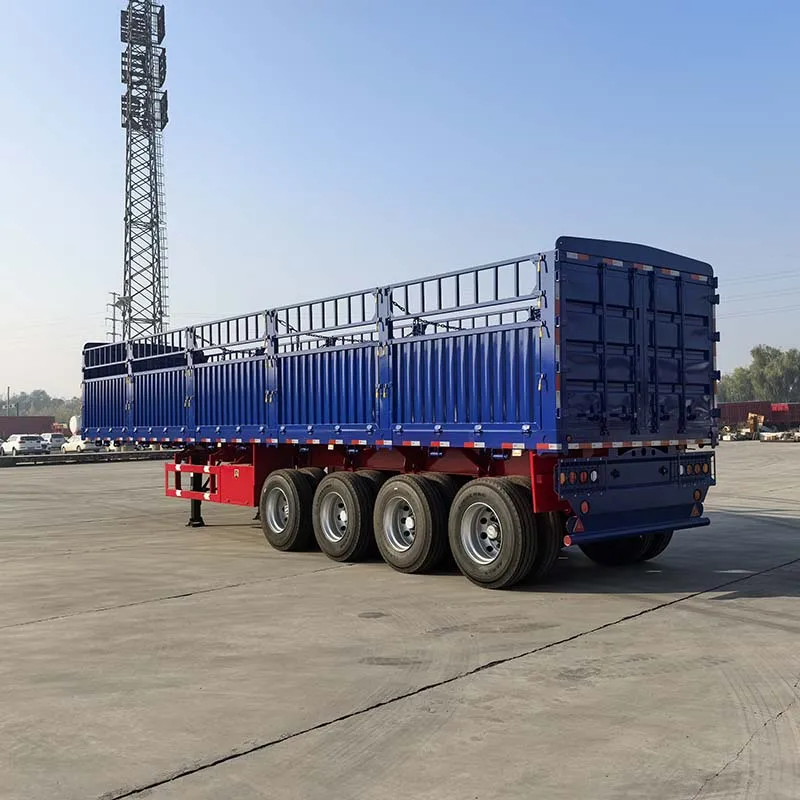
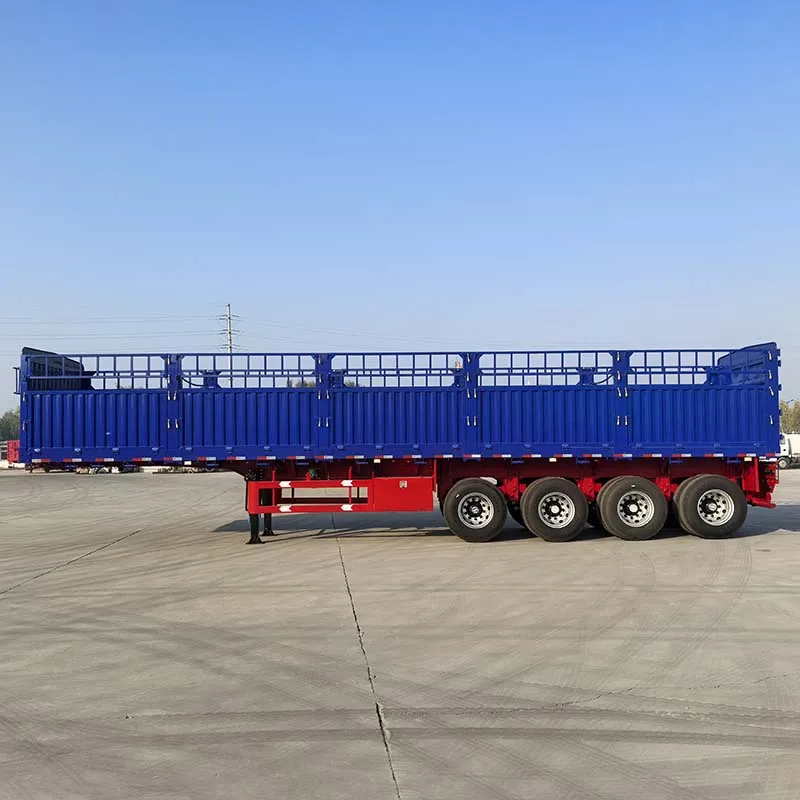
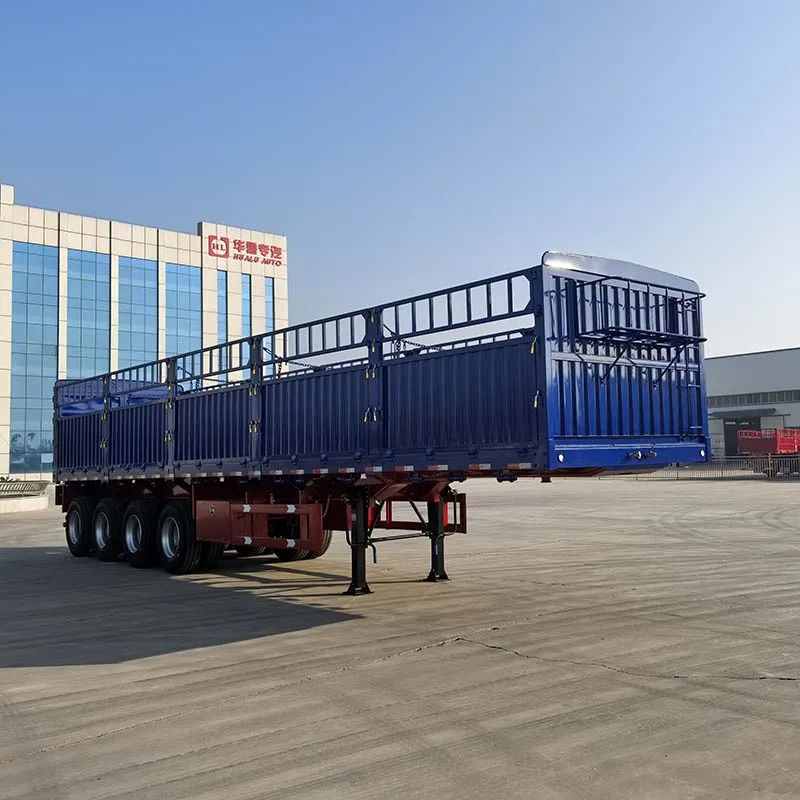
Africa’s booming infrastructure and mining sectors demand equipment that can endure extreme conditions. Discover how our customizable stake semi-trailers, available in Factory and Premium configurations, solve critical challenges like corrosion, structural fatigue, and cargo versatility for African fleet operators.
Don't let tropical storms ruin your bottom line in Ghana! The rainy season in West Africa brings sudden, relentless downpours that can strike in minutes, turning open-top trailers into disasters. Imagine driving along the busy Accra-Tema motorway late in the afternoon with a trailer fully loaded with premium cocoa bags. Suddenly, the skies open, and your cargo is exposed to harsh rain.
Unlike standard dump trailers, this rear-dump semi-trailer is equipped with a heavy-duty, waterproof tarpaulin. With a simple pull of the lever, the driver can instantly seal the load, keeping the cocoa completely dry and delivering it on schedule without any loss.
This simple addition means fleet owners in Ghana no longer have to limit themselves to just gravel or scrap metal. They can now safely transport cement, fertilizer, packaged foods, and other moisture-sensitive goods, dramatically increasing their flexibility. Because the truck can handle more varied contracts and avoid costly weather downtime, operators have reported a concrete 11% boost in the utilization rate of their semi-trailers.
Navigating South America’s diverse terrain from high-altitude Andean passes to humid coastal plains demands more than standard equipment. Discover how our customizable stake semi-trailers, available in both Factory and Premium configurations, solve critical pain points like road wear, payload limits, and cargo versatility for regional fleet operators.
In Ecuador, a transport operator faced a costly dilemma: containerised exports from Guayaquil demanded flatbed capability, while domestic deliveries of soybeans, cement, and timber required side‑unloading. They took a leap with 60 Hualu Fence Semi‑Trailers (60‑tonne rating). The ingenious fence design – removable posts and foldable side panels – allowed switching from container twist‑locks to bulk‑haul mode in under 15 minutes. No more idle trailers. Within three months, asset utilisation climbed by a solid 10%, directly boosting revenue per truck. The owner was delighted. When his longtime friend, who ran a rival fleet, spotted a Hualu Curtain Side Semi‑Trailer at a depot, he was struck by its cavernous cargo space, effortless roll‑up curtains, and rock‑steady stability even on Ecuador’s winding mountain passes. Without hesitation, he recommended and ordered 50 Curtain Side units. Now both fleets enjoy faster turnarounds and happier clients – proof that Hualu’s versatility and reliability speak for themselves across every haul.