

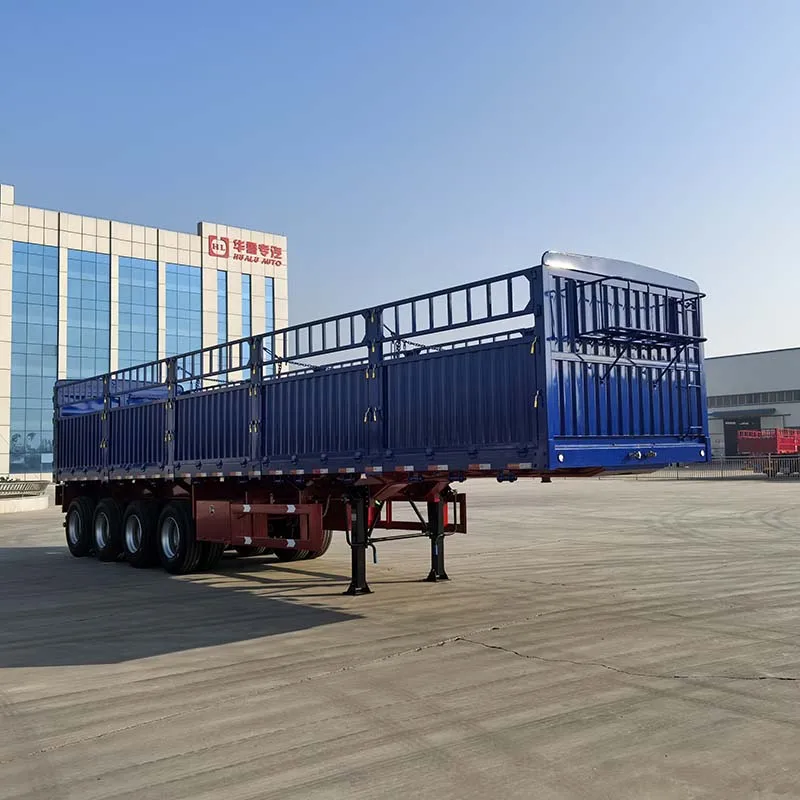
In Peru, where the Pacific coast meets the Andes and the Amazon basin, bulk haulage is a test of endurance – and for one fleet operator, it was a daily gamble with spilled cargo, damaged goods, and delayed schedules.** After years of struggling with conventional flatbeds that could not contain loose loads on winding mountain passes, the company made a decisive move in early 2026: a single order of 60 Hualu Fence Semi Trailers for Bulk. That decision would reshape their entire logistics network across the country’s most punishing corridors.
1. The Crushing Cost of Unsecured Loads
Before the Hualu fleet arrived, every trip was a risk. On the serpentine road from Lima to Huancayo, trucks carrying copper concentrate lost up to 5% of their payload through vibration‑induced spillage. Bagged fertiliser destined for the Ica valley often arrived with torn sacks, and grain shipments to Arequipa suffered contamination from dust and debris. The operator calculated that weather‑related delays and cargo claims ate nearly 8% of annual revenue. Drivers wasted hours re‑securing tarps and sweeping spilled material at checkpoints. Something had to change – and fast.
2. The Bold Decision – 60 Hualu Trailers Ordered
In February 2026, procurement signed off on 60 units of the Hualu Fence Semi Trailer for Bulk, each featuring high‑strength steel side fences with vertical reinforcement posts and a robust chassis engineered for Peru’s gross weight limits. The trailers arrived at Callao Port in early March, and within a week they were dispatched to key depots in Arequipa, Trujillo, and Pucallpa. The investment was substantial, but the management saw it as a long‑term shield against operational bleed.
3. Fence Design That Works in the Real World
The trailers’ fence sides stood 2.2 metres high, with internal tie‑down rails and a quick‑release rear gate. Loading crews soon discovered that the open top allowed excavators to drop bulk materials directly without extra handling, while the solid side panels prevented fine particles from sifting out. On a test run along the dusty Panamericana Sur, a loaded trailer carried 30 tonnes of guano fertiliser – not a single gram escaped, even at highway speeds. The fence structure also absorbed side impacts, reducing sway on sharp curves, which gave drivers newfound confidence on the notorious Abra Málaga pass.
4. First Missions – From the Coast to the Cloud Forest
The 60 trailers were immediately put to work. One convoy of 12 units hauled crushed stone from a quarry near Chiclayo to a road‑building project in the Cajamarca highlands. Despite heavy rain and mudslides, the fence trailers kept their loads intact, unloading cleanly at the site. Another group of 8 trailers carried bagged rice from the Piura valley to market in Lima – the fence sides allowed stacking bags three high without lateral bulging, and the quick‑open rear gate halved unloading time. Drivers reported that the trailers tracked straight even when fully laden, reducing tyre wear and fuel consumption by roughly 7% compared to the old fleet.
5. Tangible Results – Zero Spills, Higher Turnover
By the end of April 2026, the numbers were undeniable. Over the 60 trailers’ cumulative 180,000 kilometres, not a single cargo claim was filed for spillage or contamination. Average daily trips per trailer increased by 18% because loading and unloading became faster and safer. The operator expanded their service radius, accepting contracts for fragile bulk goods like roasted coffee beans and refined sugar – markets they had previously avoided. Driver satisfaction soared; no more frantic tarp‑pulling or sweeping broken bags at weighbridges. The Hualu Fence Semi Trailer for Bulk proved that the right equipment turns Peru’s toughest hauling routes into reliable profit corridors – and 60 units were just the beginning of a nationwide transformation.