
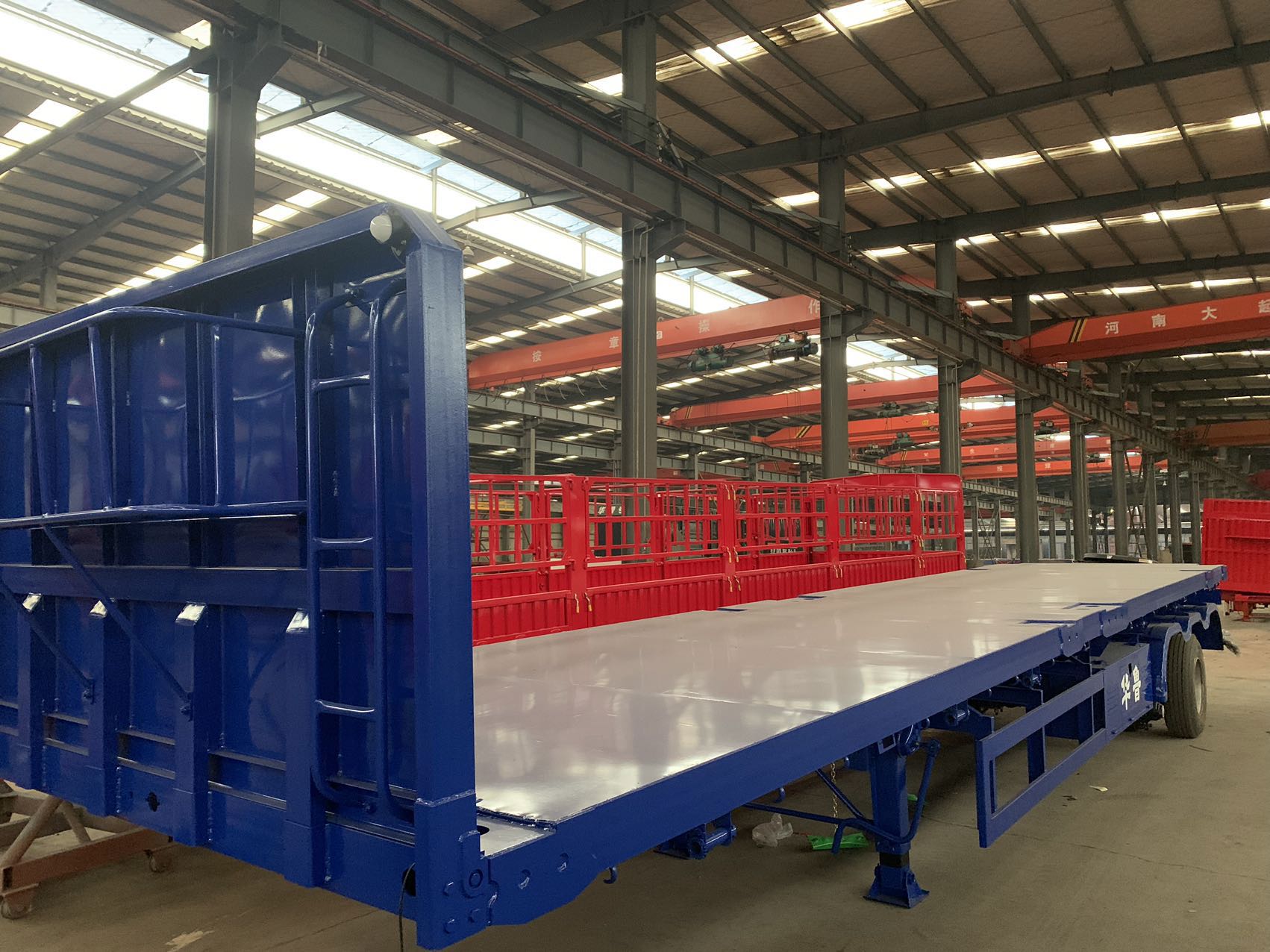
Between the Marmara steel plants and the automotive stampers of Bursa and Kocaeli, a Turkish steel distributor moves hot-rolled coils of 15 to 28 tonnes to press shops and fabricators across the region. For a decade the fleet ran eight standard flatbeds — flat decks with no coil wells — and for a decade the same three problems recurred every quarter: coils that shifted under hand-tied lashings and dented their own edges in hard braking, decks that cracked at the four small contact points where a 28-tonne coil sat, and 35-minute tie-downs that capped each truck at four coil deliveries a day. The 22 cargo-damage claims in a single year were the visible symptom; the real cost was a customer's stamping line idled waiting for a replacement coil.
A hot-rolled coil is not a box — it is a 28-tonne cylinder that wants to roll, and it transmits its entire weight through a patch of contact no bigger than a shoebox. The same structural-fatigue problem — concentrated load cycling a frame until it cracks — is exactly what Hualu engineered against in its Lowboy deployment for an Indian heavy-transport operator, where weld cracks were driven to zero.
The distributor's fleet manager toured three builders and chose Hualu on two criteria: the coil well and the saddles. A Hualu coil flatbed sinks the coil into a steel-lined V-well so the load sits low and cannot roll, and carries two integrated steel saddles with rubber grip instead of loose timber cribbing. The result is a coil that is cradled, not tied — the lashing stops being the only thing holding 28 tonnes in place. The same "drive the failure point to zero" approach that Hualu used to cut hydraulic failures to zero for an Australian End Tipper hauler is applied here to the deck and the tie-down. Eight Hualu coil flatbeds were delivered in 32 days.
By September 2026, the eight Hualu coil flatbeds had completed a full year of coil deliveries. The numbers the fleet manager now reports to the plant directors:
| Metric | Standard Flatbed Fleet (Baseline) | Hualu Coil Flatbed Fleet | Change |
|---|---|---|---|
| Cargo-damage claims (yearly) | 22 | 0 | -100% |
| Lash / unlash time per coil | 35 min | 9 min | -74% |
| Coils delivered per truck per day | 4 | 7 | +75% |
| Coils delivered per month (fleet) | 704 | 1,232 | +75% |
| Coil-shift / securing incidents (yearly) | 11 | 0 | -100% |
| Deck crack & weld-repair events (yearly) | 6 | 0 | -100% |
| Delivery rejections (edge damage) per quarter | 5 | 0 | -100% |
| Trailer downtime (days per month) | 4 | 1 | -75% |
The two figures that changed the P&L most were the damage claims and the tie-down time. Zero claims in a year means no replacement coils, no idle stamping lines, and no insurance premium hikes — the three costs that made the old deck so expensive. And cutting the tie-down from 35 to 9 minutes is not just driver effort: it is the difference between four and seven deliveries a day, which is how the same eight tractors now move 75% more coil tonnage without a single extra truck. It is the same "remove a handling step, recover the time" effect seen in Hualu's Curtain Side trailers in Poland, where warehouse turnaround fell 45%.
A flat-deck flatbed secures a coil the hard way: wood cribbing, chains, and tension binders that have to be exactly right every time, because the coil is a rolling cylinder sitting on a flat plate. A coil well removes the problem at the source by lowering the coil into a V-channel where gravity holds it still, and integrated saddles give the lashings a fixed anchor instead of a slippery round surface. The deck no longer needs to be tied tight enough to fight a 28-tonne roll — it only needs to hold a coil that already cannot move. That is why the shift incidents went to zero rather than merely down.
Steel coil transport is where a flatbed's real value shows. A coil that arrives dented, scuffed, or shifted is a rejected load and a customer's production line stopped — and in automotive stamping, that line is worth more per hour than the trailer itself. The Turkish case shows that the right flatbed turns the most failure-prone step of steel hauling — securing the load — into the most reliable one.