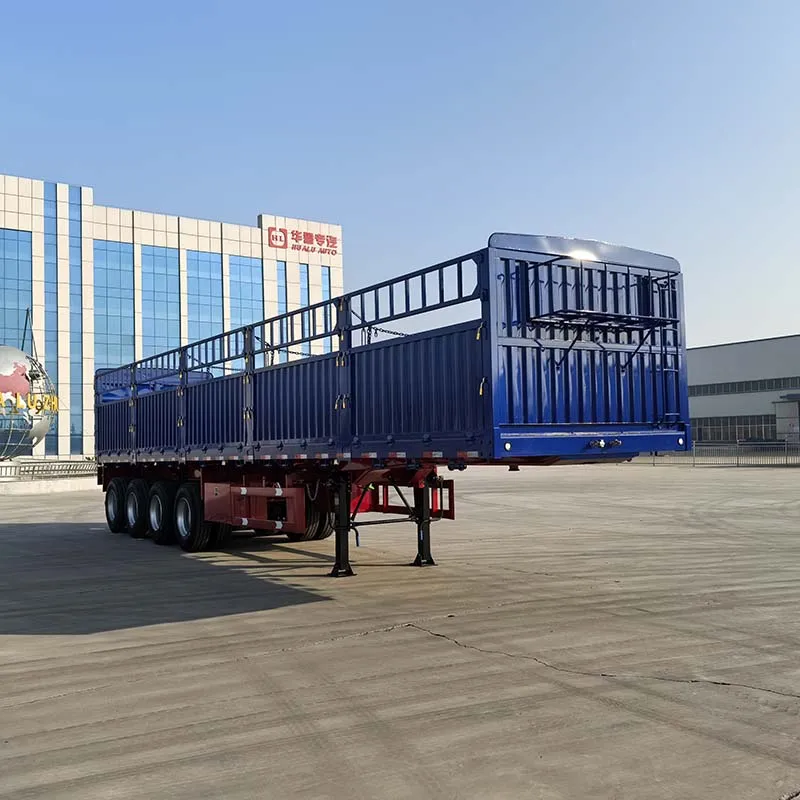
The 3-axle fence semi-trailer is the backbone of bulk logistics across emerging markets, offering unmatched versatility for transporting agricultural produce, construction materials, livestock, and general freight. Its open-sided fence design provides essential ventilation and easy forklift access, while the tri-axle configuration delivers superior load distribution and stability on unpaved roads. However, the harsh operating conditions these trailers face—from deeply rutted haul roads to tropical humidity and acidic soils—demand a disciplined approach to usage and maintenance. Treating your fence trailer as a precision asset rather than a disposable container is the key to maximizing its service life and return on investment.
Correct Loading and Operational Practices
Proper loading is the first line of defense against structural fatigue and cargo damage. Always distribute weight evenly across all three axles to prevent overloading any single point, which can cause frame warping and premature axle failure. For bagged goods, stack them in a staggered, interlocking pattern to prevent shifting during transit; for loose bulk materials, use the fence structure’s natural containment but avoid overfilling beyond the fence height, as this compromises stability and increases wind resistance. When transporting livestock or perishable agricultural products, ensure the fence gaps are clear of obstructions to maintain adequate ventilation, and avoid overloading to prevent excessive stress on the floor and side panels.
During transit, adopt a smooth, anticipatory driving style to minimize dynamic forces on the trailer structure. The open fence design, while excellent for ventilation, offers less aerodynamic stability than enclosed containers, making the trailer more susceptible to crosswinds and sudden maneuvers. Reduce speed on curves and uneven terrain, and avoid abrupt braking or acceleration, which can cause cargo to shift and damage the fence panels or floor. When parking, always use wheel chocks and engage the parking brake, especially on slopes, to prevent unintended movement that could stress the landing gear and coupling system.
Daily Inspection and Preventive Maintenance
A rigorous daily inspection routine is non-negotiable for identifying issues before they escalate into costly failures. Before every trip, conduct a thorough walk-around check, focusing on the fence structure, axles, and coupling system. Inspect the fence panels for cracks, bent vertical bars, or loose welds, paying special attention to the connection points between the fence and the main frame, as these areas bear the brunt of cargo impact and road vibration. Check the floor for signs of wear, corrosion, or deformation, and ensure the anti-slip surface is intact to prevent cargo slippage during wet conditions.
Examine the three axles and suspension system for signs of uneven tire wear, which can indicate misalignment or suspension damage. Check tire pressure and tread depth, as underinflated or worn tires increase rolling resistance and accelerate axle wear. Lubricate the kingpin, fifth wheel, and landing gear regularly to prevent seizing and ensure smooth coupling and uncoupling operations. Inspect the braking system for air leaks, worn brake linings, and proper slack adjuster function, as brake failure on a fully loaded fence trailer can have catastrophic consequences. Clean the trailer after each haul, removing debris, moisture, and corrosive residues that can accelerate rust and structural degradation.
Long-Term Care and Structural Integrity
Beyond daily checks, a structured preventive maintenance schedule is essential for preserving the trailer’s structural integrity. Every 3 months or 25,000 kilometers, perform a comprehensive inspection of the main frame, cross-members, and fence welds for cracks or corrosion, addressing any issues immediately to prevent further damage. Re-torque all wheel nuts and fasteners, and check axle alignment to ensure even load distribution and prevent uneven tire wear. Replace worn suspension bushings, air springs, or leaf springs as needed, and inspect the electrical system for corrosion or damaged wiring, applying dielectric grease to all connections to prevent moisture ingress.
Keep detailed records of all inspections, maintenance activities, and repairs, including dates, mileage, and parts replaced. This documentation not only helps track the trailer’s condition over time but also serves as a valuable tool for identifying recurring issues and optimizing maintenance intervals. Store the trailer in a dry, sheltered area when not in use, and cover it with a tarpaulin to protect against rain, dust, and UV exposure, which can degrade the paint and accelerate corrosion. By treating your 3-axle fence semi-trailer as a long-term investment and adhering to disciplined operational and maintenance practices, you can extend its service life, reduce downtime, and ensure consistent profitability for your logistics operations.
A Commitment to Operational Excellence
The 3-axle fence semi-trailer is more than a piece of equipment—it is a critical business asset that drives the efficiency and profitability of your logistics operations. By mastering the nuances of proper loading, adopting a disciplined inspection routine, and investing in proactive maintenance, you transform your trailer into a reliable, high-performing partner that withstands the toughest conditions and delivers consistent value. In an industry where margins are tight and operational risks are high, this dedication to excellence is what separates successful fleets from the rest. Operate with care, maintain with precision, and let every journey reflect your unwavering commitment to safety, efficiency, and long-term success.