

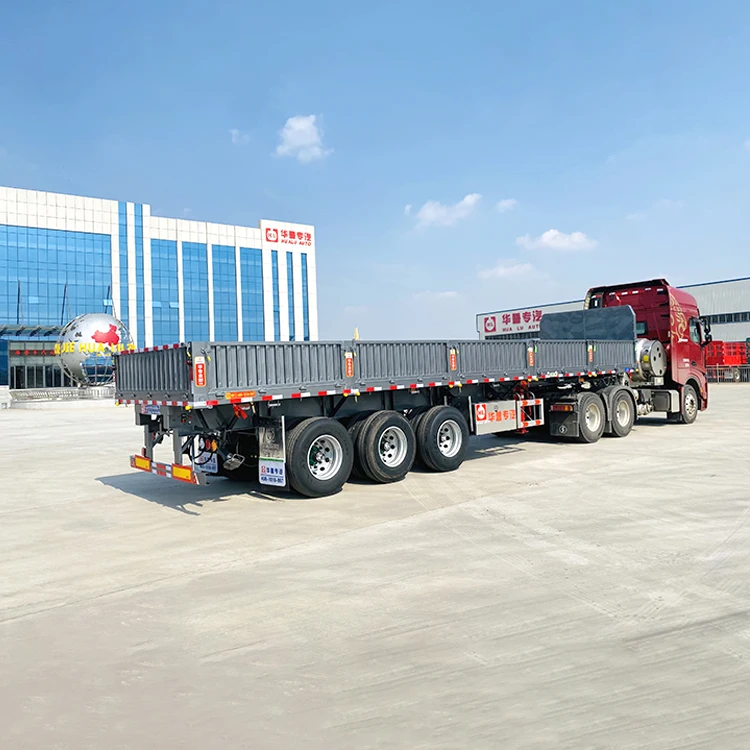
In March 2024, a mid‑sized Chilean transport company stood on the brink of bankruptcy. Soaring fuel prices—up 28% year‑on‑year due to global volatility—combined with rising labour costs and ageing fleet maintenance pushed net profit margins to near zero. Desperate to reverse the spiral, the company’s CEO led a senior team to HUALU’s manufacturing plant, seeking a radical solution. After three intensive days of engineering dialogue, HUALU custom‑designed a revolutionary multi‑purpose self‑unloading semi‑trailer—capable of side‑tipping for bulk aggregates, carrying standard containers, and handling bagged cargoes like fertiliser or grains. When the CEO first saw the blueprint, his excitement was palpable. By December 2024, audited financials showed a 26% jump in overall profit—a turnaround that restored his confidence. The success triggered massive fleet renewal: 100 units ordered in 2025 and another 180 in 2026, cementing a lasting partnership.
1. The Gathering Storm: Chile’s Cost‑Crunch Reality
Chile’s elongated geography forces fleets to traverse extreme climates—from the arid Atacama to the rainy south—with average haul distances exceeding 1,200 km per trip. Diesel, which accounts for over 35% of operating costs, had spiked to historic highs in early 2024, while minimum wage adjustments increased driver payrolls by 12%. The company’s traditional fixed‑purpose trailers (dedicated tippers, flatbeds, and box vans) sat idle nearly 40% of the time, creating a cash‑drain of unproductive assets. With monthly revenue barely covering variable expenses, the CEO faced the grim prospect of liquidating his 45‑year‑old family business. He knew that incremental improvements would not suffice—only a paradigm‑shift in equipment versatility could salvage the operation.
2. Three Days of Deep Collaboration: Designing the “Chameleon” Trailer
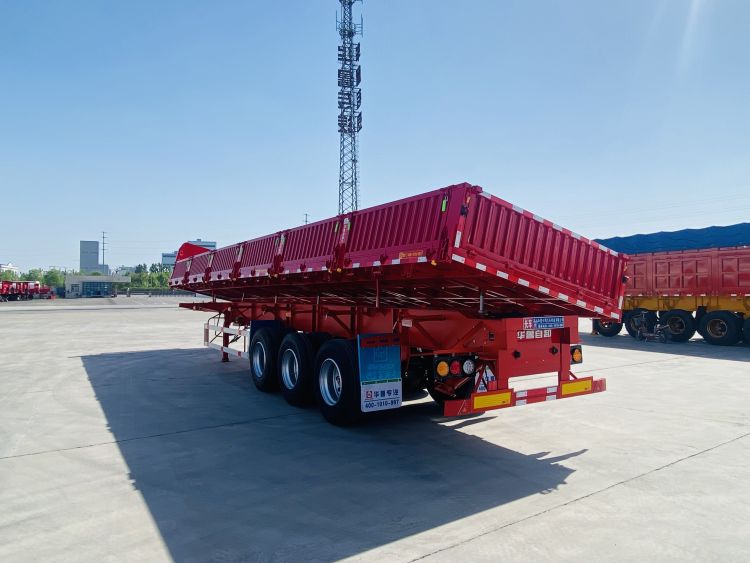
At HUALU’s R&D centre, the Chilean team shared detailed route profiles, cargo seasonality, and loading/unloading pain points. HUALU engineers proposed a single modular chassis with three interchangeable operating modes: (a) hydraulic side‑tipping for quick discharge of minerals and aggregates on uneven mine roads; (b) twist‑lock container mounts that convert the trailer into a container chassis in under 15 minutes, enabling intermodal port‑to‑mine transfers; and (c) a sliding canvas‑and‑tarp system with removable side panels, turning the bed into a weather‑tight enclosure for bagged goods like copper concentrate or agricultural inputs. The design also featured reinforced axles for Chilean mountain gradients and an anti‑spill edge to comply with local environmental regulations. When the 3D renderings were unveiled, the CEO reportedly exclaimed, “This is not a trailer—it’s a survival kit.” He approved the prototype order on the spot.
3. From Zero to 26%: The Financial Turnaround in Nine Months
The first ten units entered service in July 2024, operating across copper‑mining routes in the north and fruit‑export zones in the central valley. By December, the company’s CFO presented transformative numbers: asset utilisation rose from 60% to 89%, as the same trailer could now earn revenue on backhaul container moves and return‑leg bagged cargoes that previously required deadheading. Unloading time per side‑tip averaged 4 minutes—compared to 12 minutes with old rear‑dumpers—cutting dock waiting fees by 18%. Simultaneously, maintenance costs dropped 22% due to simplified hydraulics and common spare parts. Combined with better route planning, gross profit surged from a negative 1.2% margin to a positive 24.8%—a net improvement of 26% in absolute profit dollars. The CEO later noted that the trailer’s adaptability turned seasonal demand swings into opportunities, not liabilities.
4. Scaling Success: 100 in 2025, 180 in 2026—and Beyond
Energised by the results, the company placed a bulk order for 100 units in early 2025, replacing nearly half its legacy fleet. The new trailers allowed them to bid for larger mining contracts requiring flexible logistics, Chile’s state‑owned copper giant. Operational data from 2025 showed a further 5% efficiency gain as drivers mastered the multi‑mode system. By 2026, with fuel prices stabilising and labour costs still rising, the company doubled down—ordering 180 additional trailers, bringing HUALU’s total to 290 units. Today, the operator has not only escaped bankruptcy but has become a regional benchmark for adaptive transport. Their CEO frequently shares the case at industry forums, crediting HUALU’s custom engineering for transforming a dying fleet into a resilient, profit‑generating powerhouse that thrives amid Chile’s toughest logistical challenges.