

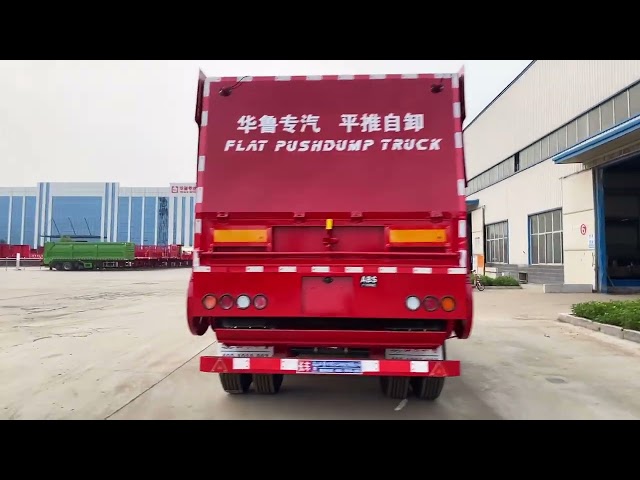
In October 2023, a Colombian transport fleet operating along the treacherous mountain corridors of the Andes faced a critical crisis: recurring rollover incidents during cargo delivery. With over 80% of Colombia's freight moved by road across three mountain ranges marked by winding routes, steep grades, and frequent landslides, the operator urgently needed a solution that would eliminate rollover risks while simultaneously boosting unloading efficiency. HUALU engineers responded with a comprehensive stability system that not only guaranteed zero rollovers but also cut unloading time by three minutes and lifted overall profit margins by 16.5%.
1. The Colombian Challenge: Mountains, Curves, and Critical Cargo
Colombia's rugged topography presents one of Latin America's most demanding logistics environments. The fleet operated along the Bogotá–Buenaventura corridor—a vital artery crossing the Andes with sharp switchbacks, unpredictable weather, and poorly maintained secondary roads where only 46.9% of paved surfaces remain in good condition. Heavy rains frequently triggered landslides, while the country's 2023 cargo volume contraction of 0.8% squeezed already thin margins. The client's repeated rollovers not only damaged expensive equipment and delayed deliveries but also eroded driver confidence and strained client relationships across the supply chain.
2. Diagnosis and Collaborative Engineering Response
HUALU's engineering team conducted an intensive series of virtual meetings with the Colombian operator, analyzing route data, load distributions, and accident reports. The diagnosis pinpointed two root causes: inadequate roll stability on crowned mountain roads and inefficient unloading procedures that kept trailers exposed to hazardous terrain for extended periods. HUALU proposed a dual-pronged solution: a proprietary low-center-of-gravity stability system with wide-track axle spacing to drastically reduce rollover propensity, paired with an optimized hydraulic unloading mechanism engineered for rapid, safe discharge even on uneven ground.
3. Deployment: Retrofitting the Fleet for Andean Conditions
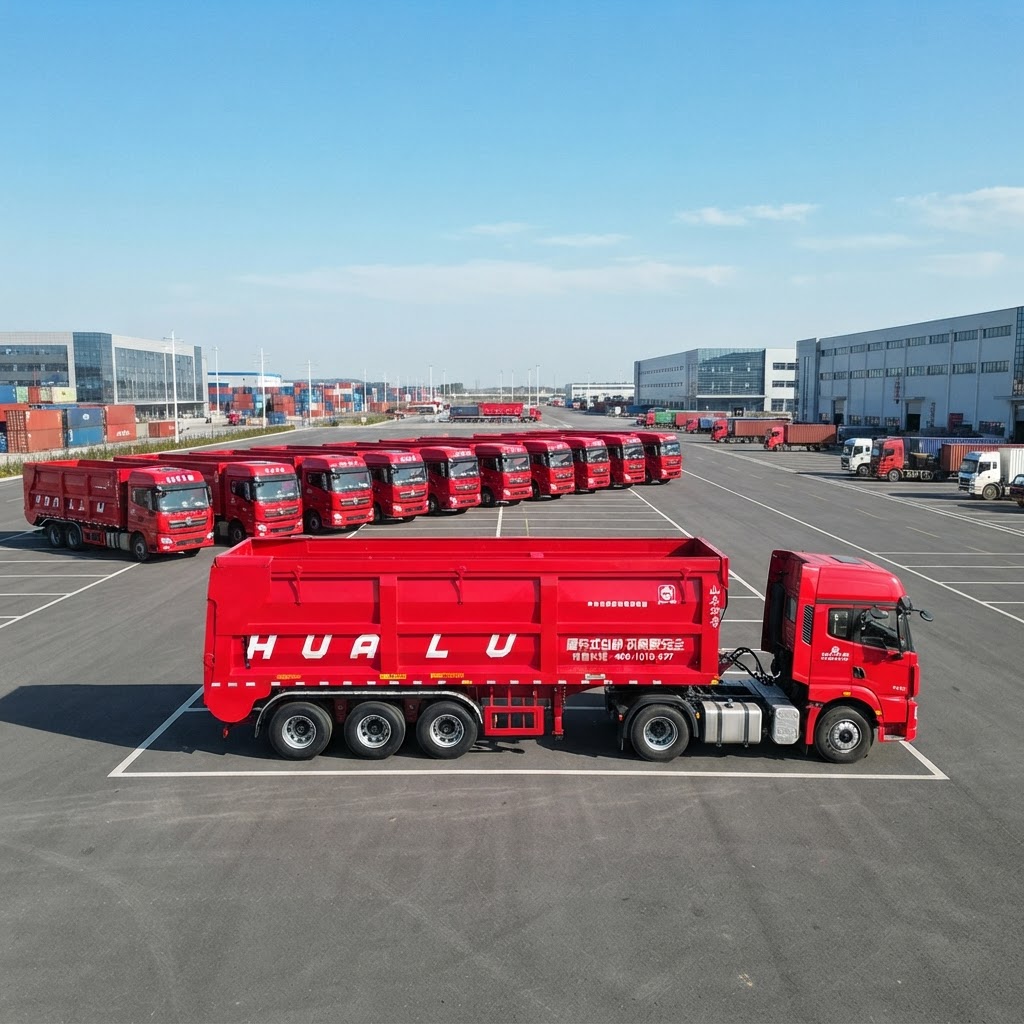
Throughout late October and November 2023, HUALU technicians worked alongside local mechanics to retrofit the fleet's trailers. The stability package included reinforced suspension systems, dual-circuit pneumatic brakes with anti-lock modulation, and automatic slack adjusters to ensure controlled stopping under full gross vehicle weight. The unloading upgrade featured a redesigned belt-dump system that enabled precise, swift material discharge—reducing the time trailers spent stationary on precarious roadside berms from approximately twelve minutes to just nine. All modifications were tested on simulated Andean gradients to guarantee performance under real-world stress.
4. Operational Results: Zero Rollovers, Three Minutes Saved
Within the first month of deployment, the transformed fleet achieved what the client had deemed impossible: zero rollover incidents across all routes, including the most treacherous segments of the Pan-American highway where landslides and slope failures historically caused over 70% of disruptions. The three-minute reduction per unloading cycle—from twelve to nine minutes—translated into significant time savings across multiple daily drops. Drivers reported improved handling and greater confidence navigating the hairpin turns that characterize Colombia's mountain passes, where excessive speed remains the primary cause in 45% of rollover accidents nationally.
5. Financial Impact and Strategic Partnership
The cumulative effect was transformative. The three-minute unloading saving, combined with eliminated rollover-related downtime, insurance claims, and repair costs, boosted the fleet's overall profit margin by 16.5% by year-end 2023. The client, facing a national market where 2023 truck registrations had fallen by 18.3% and operational costs continued rising, gained a competitive edge through enhanced reliability and faster turnaround times. HUALU's stability system proved that even in Colombia's challenging terrain—where the cargo fleet averages 24 years old and operates at only 50% capacity—targeted engineering interventions could deliver measurable safety and profitability gains. The partnership continues today, with additional fleet conversions planned for 2024-2026.
More product cases